
Non-Surgical · Skin
Doctor-led medical-grade peels, calibrated to your skin and concern. Brighter, clearer, smoother, without disguising what is yours.
As seen in
Tatler
Vogue
Harper's Bazaar
The Times
Hello!

Medically reviewed by Dr Hassan SoueidConsultant Cosmetic & Plastic Surgeon
Overview
A chemical peel applies a controlled solution to the skin that removes damaged outer layers, accelerating turnover and revealing smoother, brighter skin underneath. The depth of peel, superficial, medium or deep, is selected for the indication and skin type.
At Kensington Cosmetic Clinic peels are performed by medical practitioners using pharmaceutical-grade solutions, TCA, glycolic, salicylic, mandelic and combination formulas. We do not use the dilute over-the-counter products sold in salons; medical-grade solutions used by trained hands give predictable, controlled results.
Most patients benefit from a series of three lighter peels over 2–3 months rather than a single aggressive peel. The series approach gives better results with less downtime and lower risk of pigmentation in darker skin types.
A peel that is calibrated to your skin gives quiet, accumulated improvement, not a single dramatic event.
How it works
A diagram of the procedure. Hover any pulsing marker to see how each anatomical layer is treated by Dr Hassan.
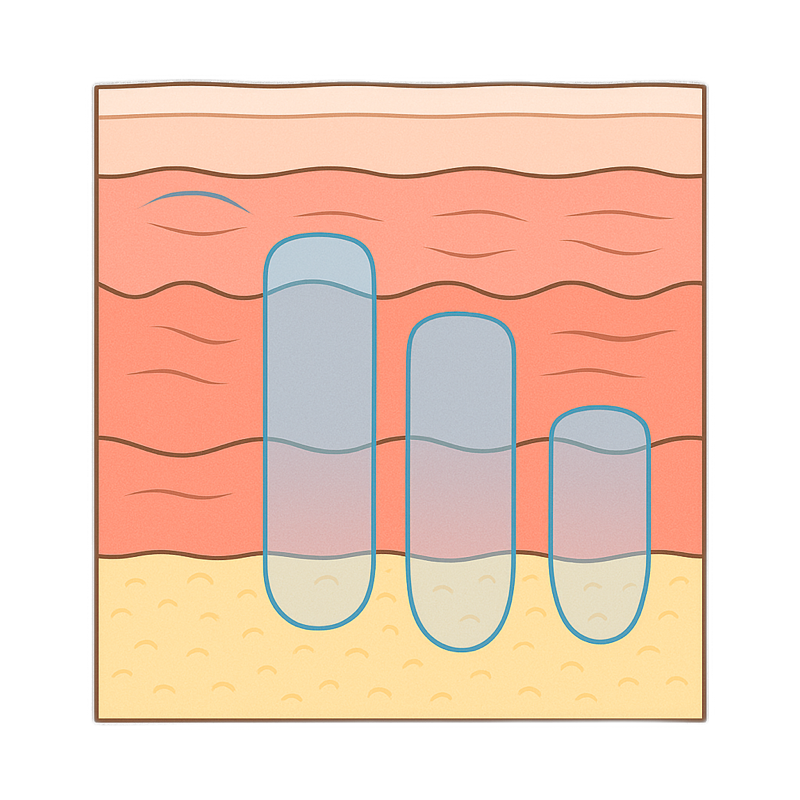
Hover or tap any highlighted region
Illustration is anatomical only, the procedure is tailored individually at consultation.
Treated Areas
The right peel depends on your skin and your indication. Three depth tiers, each suited to different goals:
Glycolic acid
Alpha-hydroxy acid that brightens, smooths fine texture and improves dullness. The classic 'lunchtime peel', minimal downtime, often done in series of 3–6.
Salicylic acid
Beta-hydroxy acid that penetrates pores. Best peel for active acne, blackheads and oily-skin breakouts.
Mandelic acid
Gentler than glycolic, suitable for sensitive skin and darker skin types where glycolic risks pigmentation.
TCA 15–20%
Trichloroacetic acid at medium strength. The workhorse for fine lines, sun damage, mild scarring and pigmentation. 7-day downtime; significant improvement.
Combination peels (Jessner / TCA)
Layered superficial peel followed by TCA. Increases depth control and reduces irritation compared with single-agent strong peels.
Cosmelan / pigmentation programmes
Specialist medical-grade depigmentation programme for melasma and difficult pigmentation. Office-applied mask plus 6-month home care protocol.
TCA 25–35%
For deep wrinkles, significant sun damage and acne scarring. Two-week visible recovery; results comparable to laser resurfacing in some indications.
Phenol peels
The deepest peel option. Reserved for severe sun damage; we offer this rarely and only with anaesthetic backup. Most patients benefit more from laser resurfacing.
Spot treatment
TCA-CROSS for ice-pick acne scarring, pinpoint application to individual scars. Performed alongside microneedling for combined acne-scar improvement.
Candidate
Benefits at KCC
Investment
Every patient is different, the area, technique and number of stages shape the plan. We share full pricing during your private consultation, after Dr Hassan or your treating clinician has reviewed your goals in person.
Before
The Treatment
Skin examined in standardised lighting; Fitzpatrick type confirmed. Treatment plan and depth confirmed; consent reviewed.
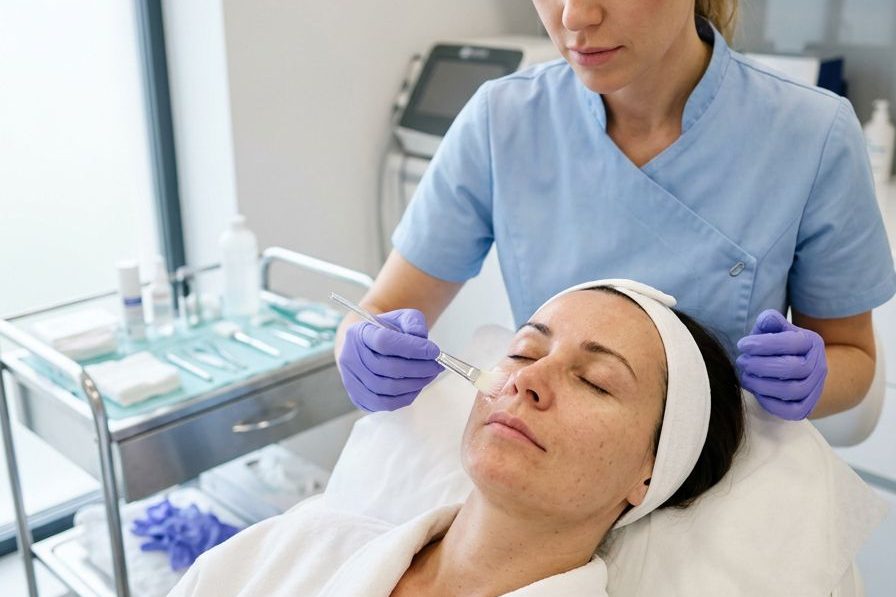
Skin cleansed and prepped with degreasing solution. The peel solution is applied in calibrated coats with a soft fan brush. Most peels stay on the skin for the contact time required, then are neutralised. Total in-clinic time 30–60 minutes.
Step by Step
Medical peels are a calibrated process, pre-priming, controlled application, structured recovery.
01 · The Consultation
Fitzpatrick skin type assessed (I–VI). Pigmentation and indication mapped. Peel depth chosen for the case, superficial, medium or deep. Pre-treatment priming protocol agreed for darker skin types.
02 · Preparation
Stop retinol and active skincare seven days before. Avoid sun for two weeks. Pre-peel priming with a tyrosinase inhibitor for four weeks if Fitzpatrick III+. Arrive with clean, makeup-free skin. Allow 7–14 days of social downtime for medium and deep peels.
03 · The Treatment
Skin cleansed and degreased. Pharmaceutical-grade solution applied in measured coats with a soft fan brush. Frosting (whitening) is the controlled, expected reaction for medium peels. Cool compresses immediately after.
04 · Recovery & Schedule
Use only the recovery skincare we provide for seven days. SPF 50 daily for eight weeks. Mild peeling on days 3–7. Superficial peels: series of 3–6. Medium peels: 1–3 sessions. Maintenance once or twice per year.
After
Results
Before & After
A selection of recent Kensington patients, photographed before and after their peel programme. No retouching; only crops to remove clinical chrome.
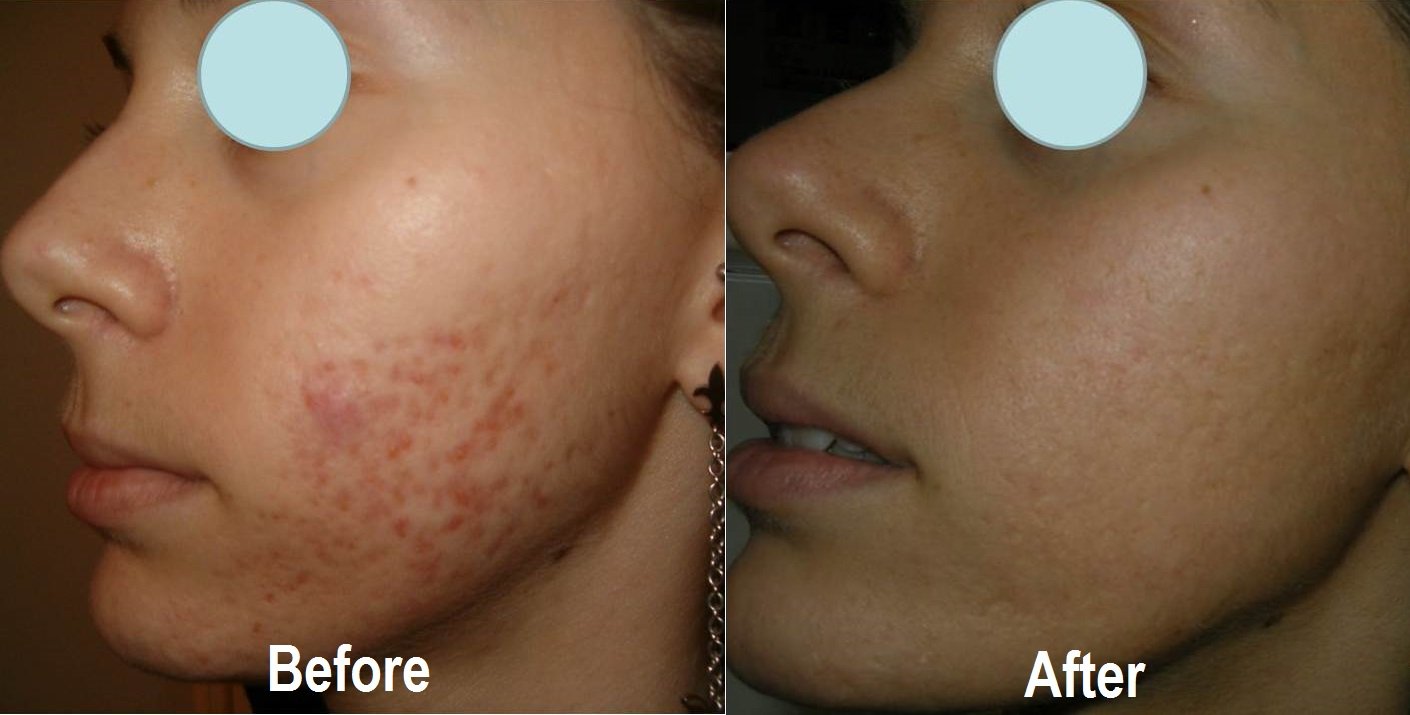
Active acne with post-inflammatory pigmentation, Enerpeel SA salicylic-acid peel series.
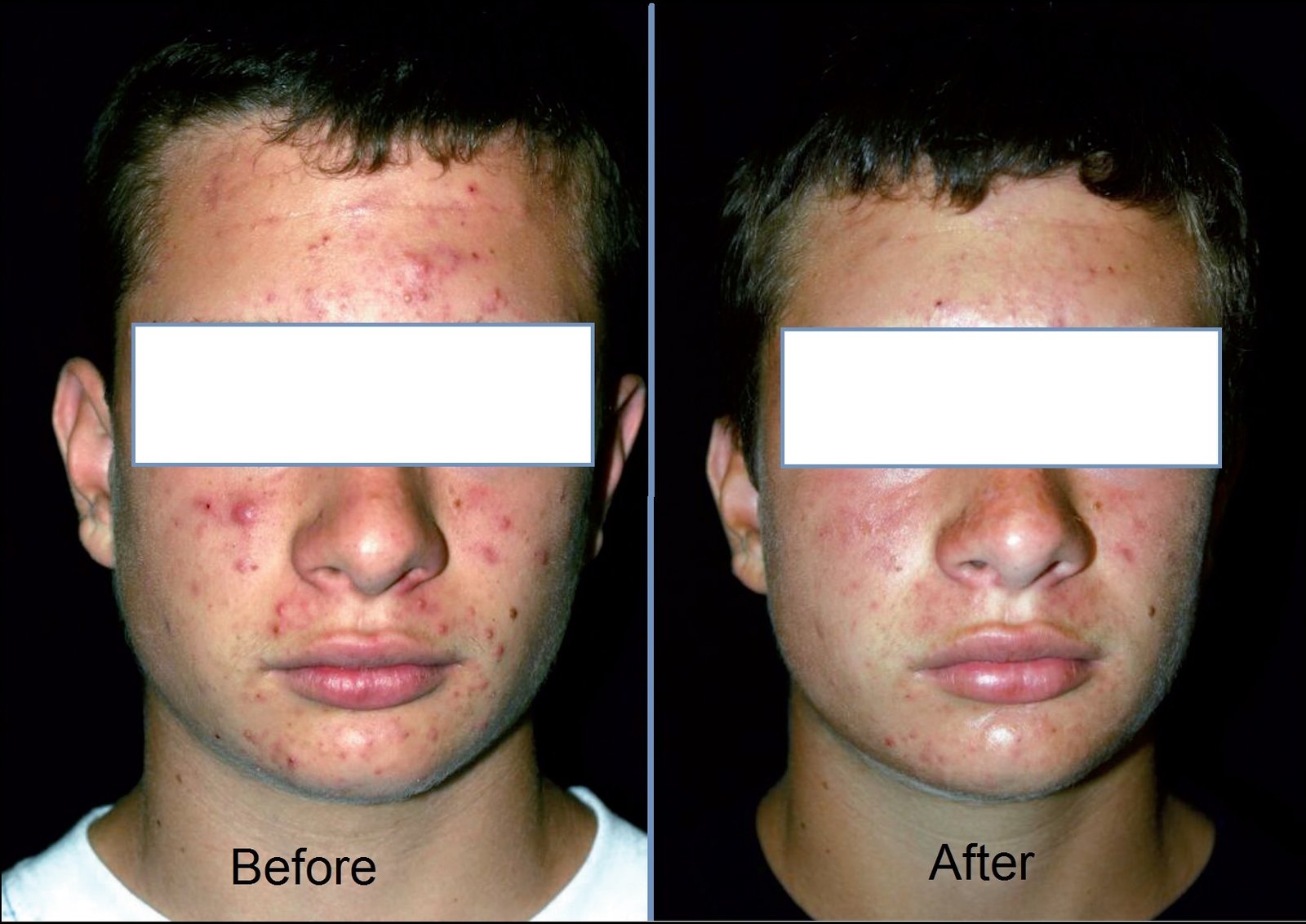
Inflammatory teenage acne, twelve-week course of pharmaceutical-grade peels.
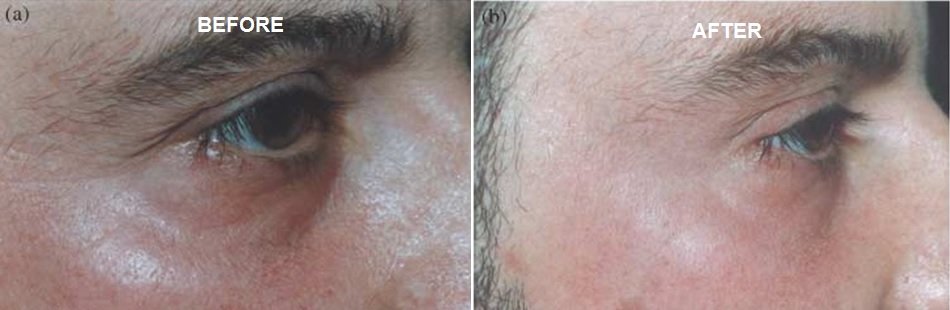
Periorbital tone and texture, Enerpeel EL eye-and-lip peel series.
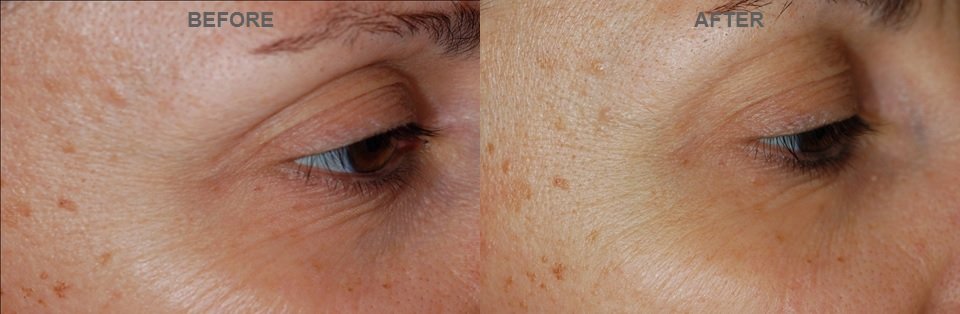
Fine periorbital lines, light peel series with maintenance protocol.
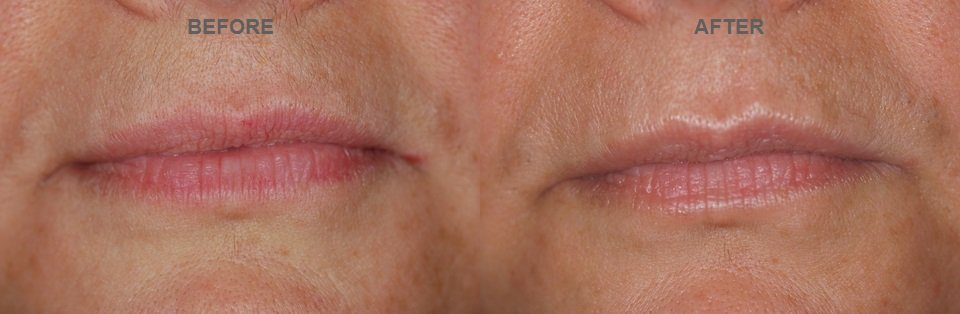
Vertical perioral lip lines, Enerpeel EL targeted peel programme.
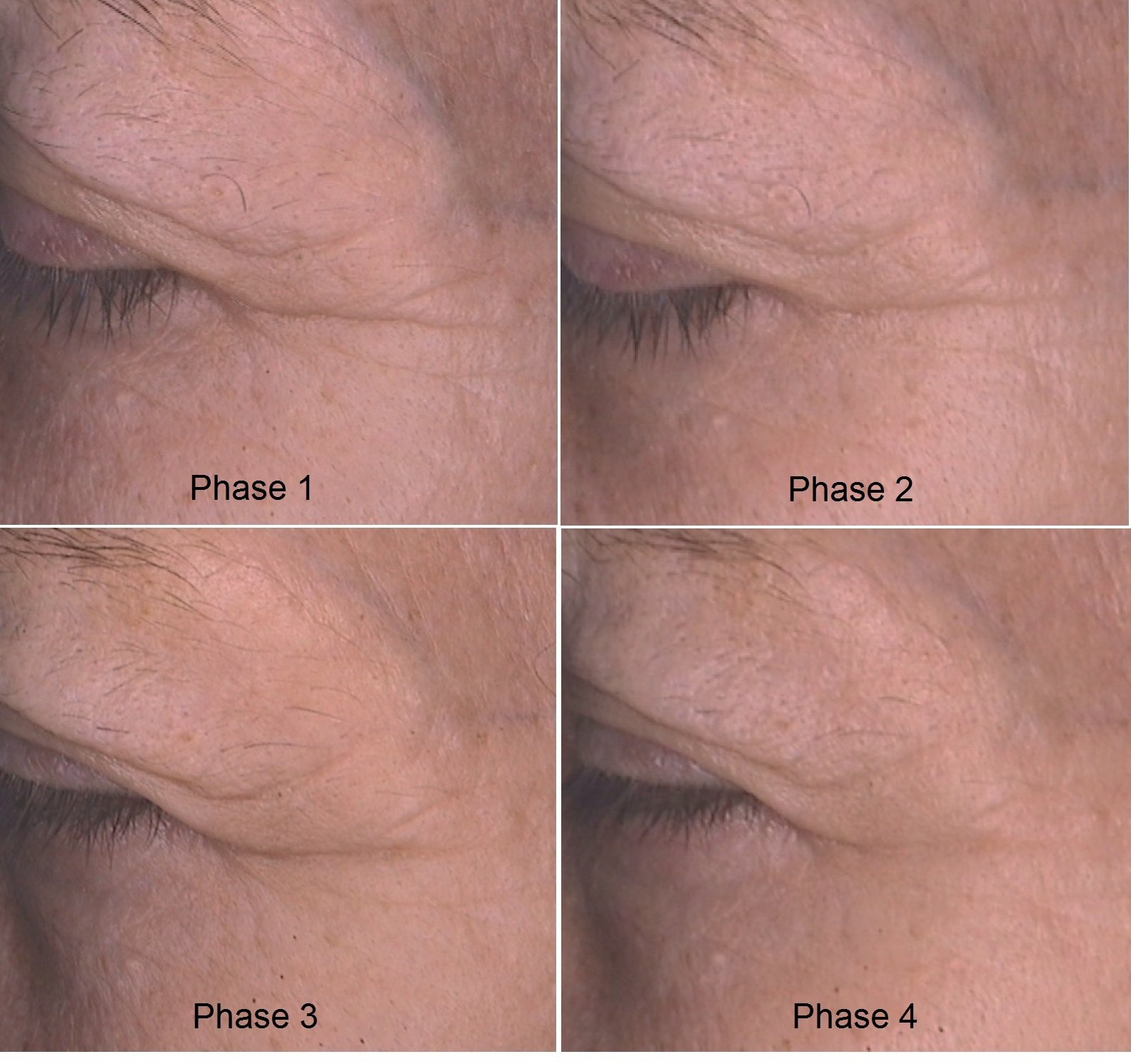
Crow's-feet softening, four-phase progression across a glycolic-acid peel programme.
All photographs are real Kensington Cosmetic Clinic patients, taken with written consent. Individual results vary; outcomes depend on indication, skin type and treatment plan.
Questions
Salon peels use diluted, lower-percentage acids (often <30% glycolic) and are limited to superficial-only depth. Medical peels use pharmaceutical-grade solutions at therapeutic concentrations (TCA 15–35%, glycolic 50–70%) administered by trained medical practitioners. Medical peels produce meaningful change; cosmetic salon peels rarely do.
Yes, with the right peel selection. Glycolic and Jessner-TCA peels carry pigmentation risks in Fitzpatrick IV–VI skin types and require pre-treatment priming. Mandelic acid and salicylic acid are safer first-line options for darker skin. We assess Fitzpatrick type at consultation and adjust the protocol accordingly.
Superficial peels: 3–6 sessions in the initial series, then quarterly maintenance. Medium peels: typically 1–3 sessions, depending on indication, then annual top-ups. Deep peels: usually a single treatment with significant downtime.
Yes, we often build combination plans. Salicylic peels alongside microneedling for acne; mandelic peels in between laser pigmentation sessions; glycolic peels as maintenance after laser resurfacing. The right combination is built at consultation based on your specific indications.
Superficial peels: minimal, light flaking only, easily concealed. Medium peels: 5–7 days of visible peeling, most patients return to work but avoid major social events. Deep peels: 10–14 days of significant peeling and redness, full social downtime needed.
Private enquiry
Leave your details and we will reply within one working day.
