
Non-Surgical · Laser
Doctor-led ablative laser resurfacing, the gold-standard for wrinkles, acne scarring and sun damage. Performed safely with the DEKA SmartXide system.
As seen in
Tatler
Vogue
Harper's Bazaar
The Times
Hello!

Medically reviewed by Dr Hassan SoueidConsultant Cosmetic & Plastic Surgeon
Overview
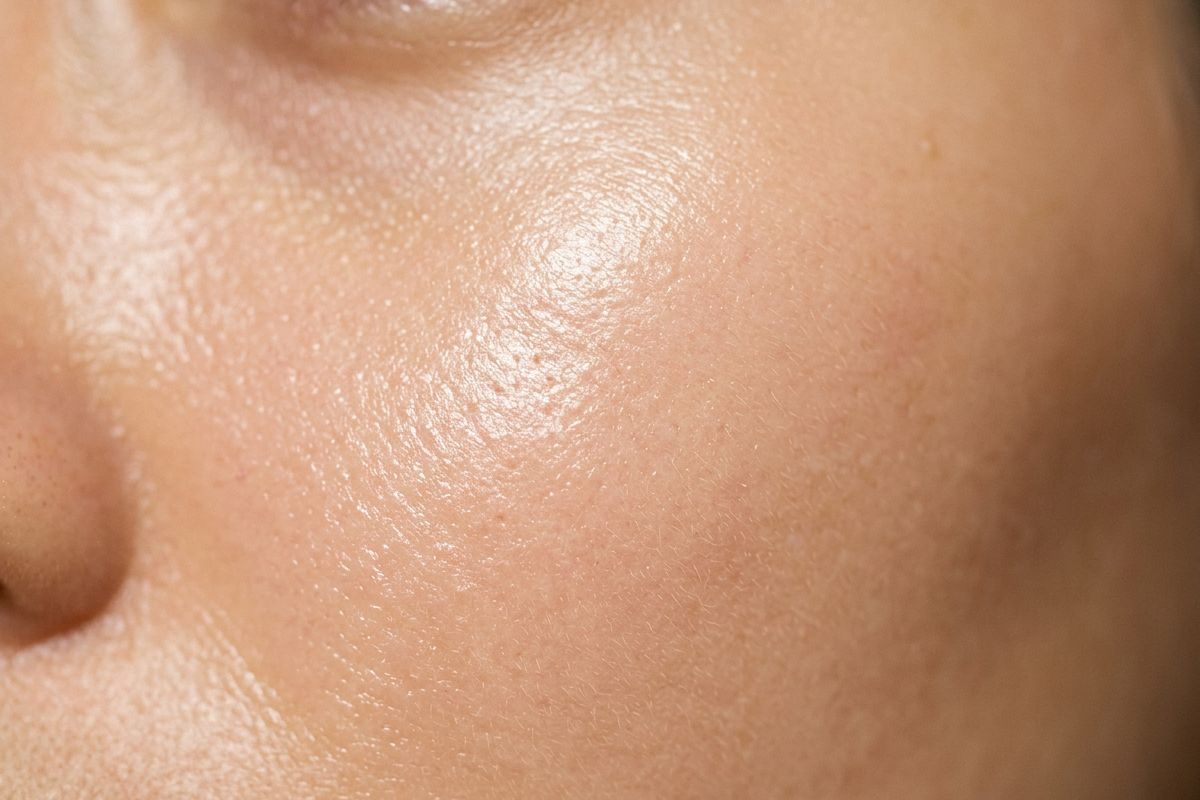
CO2 (carbon dioxide) laser resurfacing uses controlled laser energy to remove damaged outer skin layers and stimulate deep collagen production. It is the most powerful non-surgical skin rejuvenation treatment, the closest thing to surgery without surgery, and remains the gold standard for visible photoageing, deep wrinkles and acne scarring.
At Kensington Cosmetic Clinic CO2 laser is performed using the DEKA SmartXide Touch fractional CO2 platform, among the most precise systems available. Treatments are graded from light (lunchtime fractional) to full ablative resurfacing depending on indication and downtime tolerance.
We are deliberate about case selection. CO2 laser is not for everyone, it is most effective in lighter skin types (Fitzpatrick I–III) and requires real downtime. Patients with darker skin or who cannot take 7–10 days of social downtime are often better served by other modalities.
When the right patient meets the right indication, CO2 laser delivers results that nothing else can replicate non-surgically.
How it works
A diagram of the procedure. Hover any pulsing marker to see how each anatomical layer is treated by Dr Hassan.
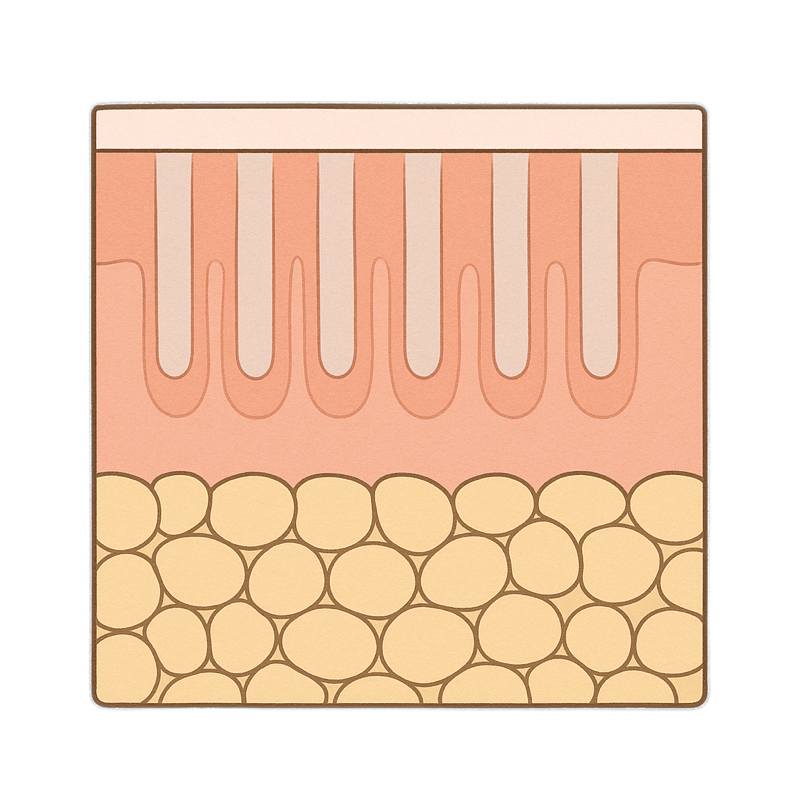
Hover or tap any highlighted region
Illustration is anatomical only, the procedure is tailored individually at consultation.
Treated Areas
CO2 laser is the strongest single non-surgical treatment for visible ageing of the skin. Three indication categories:
Fine to deep wrinkles
Particularly effective on perioral lines (around the mouth) and periorbital lines (around the eyes). One full treatment often produces dramatic improvement.
Sun damage and dyschromia
Diffuse pigmentation, sun spots and uneven tone from accumulated UV exposure. Improves both texture and pigmentation simultaneously.
Crepey skin
The thin, lined texture seen on the cheeks, neck and chest. CO2 thickens the dermis and rebuilds collagen scaffolding.
Acne scarring
One of the strongest non-surgical indications for moderate-to-severe rolling and boxcar acne scarring. Series of 2–3 sessions delivers meaningful improvement.
Surgical and trauma scars
Mature scars from surgery, accidents or burns can be softened, blended and texture-improved. Treatment begins at 6+ months post-injury.
Stretch marks
Particularly older white stretch marks. Multiple sessions over 6–12 months; improvement visible but not dramatic.
Periocular (around the eyes)
CO2 laser blepharoplasty, non-surgical lower-lid skin tightening that addresses fine lines and crepey skin without surgery. Excellent results in the right patient.
Perioral (around the mouth)
The vertical 'smoker's lines' around the mouth, one of the highest-impact CO2 indications. Single full treatment often sufficient.
Combined laser blepharoplasty
CO2 laser combined with surgical lower lid blepharoplasty. Performed by Dr Hassan in suitable patients.
Candidate
Benefits at KCC
Investment
Every patient is different, the area, technique and number of stages shape the plan. We share full pricing during your private consultation, after Dr Hassan or your treating clinician has reviewed your goals in person.
Before
The Treatment
A topical anaesthetic cream is applied for 60 minutes. For deeper treatments local anaesthetic injections may be used in addition. Eyes protected with metal corneal shields.
The DEKA fractional handpiece is passed across the treatment area in calibrated passes. Total active treatment time is 20–45 minutes. Cool compresses applied immediately after.
Step by Step
CO2 laser is the most powerful non-surgical resurfacing, and the one with the most real downtime. Here is the timeline.
01 · The Consultation
Fitzpatrick I–III patients are the strongest candidates. Discussion of what the patient can realistically take in downtime, full ablative needs 7–10 visible-recovery days. Where indicated, fractional or alternative modalities are recommended instead.
02 · Preparation
Stop retinol one week before. Avoid sun for four weeks. Tyrosinase-inhibitor priming for darker skin. Anti-viral cover (oral aciclovir) prophylactically for full-face treatment. Disposable pillowcases and recovery skincare prepared.
03 · The Treatment
Topical anaesthetic for 60 minutes (sometimes local injections added for deeper treatments). Eyes shielded with metal corneal shields. DEKA SmartXide fractional handpiece passed in calibrated patterns. 20–45 minutes active treatment.
04 · Recovery & Schedule
Days 1–3: significant swelling, oozing. Days 4–7: peeling phase. Days 7–10: pink new skin, return to work with makeup. Pinkness fades over 2–4 weeks. SPF 50 daily for 12 weeks. Final result and continued collagen remodelling at three months.
After
Results
Questions
CO2 laser is highest-risk for pigmentation in Fitzpatrick V–VI skin types. We do not perform full ablative CO2 in dark skin; lighter fractional CO2 is possible with strict pre-priming. For darker skin types we more commonly recommend non-ablative laser (Clear Lift), microneedling, or RF microneedling, all safer for melanin-rich skin.
CO2 is the strongest treatment of the three. Microneedling stimulates collagen with limited surface change; peels remove the surface but limited depth penetration; CO2 ablates the surface AND drives deep dermal collagen response. CO2 produces results in one session that microneedling typically requires 4–6 sessions to approach, but with longer downtime.
Full ablative CO2: 7–10 days visible recovery, 4 weeks of pinkness. Fractional 'lunchtime' CO2: 3–5 days of redness and light flaking. We are honest about the downtime and only book treatments when patients have real availability, rushed schedules and CO2 do not mix.
With topical numbing, mild stinging during treatment. Without numbing, treatment would not be tolerable, we always use it. Post-laser stinging persists for a few hours and is managed with cool compresses and oral analgesia where needed.
Photoageing and fine lines: typically a single full-face treatment. Acne scarring: often 2–3 sessions over 12 months. Stretch marks: 4–6 sessions over 12–18 months. Annual maintenance after the initial series is rarely needed for CO2, the collagen benefit is long-lasting.
Private enquiry
Leave your details and we will reply within one working day.
