


Surgical · 11 min read
Blepharoplasty Scars in London: How Eyelid Incisions Heal
By Dr Hassan Soueid · GMC 6107783 · Medical Director, Kensington Cosmetic Clinic
Published 17 November 2026
TL;DR. Blepharoplasty incisions are planned to sit in natural folds, where they are often hard to see once healed. Every incision still leaves a permanent scar that takes roughly a year to mature, and how yours settles depends on your skin, your health, your aftercare and careful surgical planning.
When people ask us about eyelid surgery, the scar is one of the first things they want to understand. That is a sensible instinct. The eyelids sit at the centre of the face, they move thousands of times a day, and the skin there is the thinnest on the body. This guide focuses only on scarring. It covers where incisions are placed, what happens in the tissue as they heal, what a realistic scar timeline looks like, what influences the final appearance and which problems are worth recognising early. For the wider picture of the days and weeks after surgery, our upper blepharoplasty recovery timeline covers swelling, bruising and returning to work in more detail.
We see patients from across London at our clinic in Kensington. The honest message we give in consultation is the same one we give here: eyelid scars often heal well, but often is not the same as always, and nobody can promise you an invisible scar.
Where eyelid incisions are placed, and why it matters
Any incision through the full thickness of the skin leaves a scar. That is not pessimism. It is simply how human skin repairs itself. Careful planning can influence where the scar sits, how much tension it is under and how closely it follows the natural lines of your face.
In an upper blepharoplasty, the incision is usually placed in or close to the natural upper eyelid crease. This is the fold that forms when your eye is open. With the eyes open, much of the line tends to sit within the fold itself, which is why mature upper eyelid scars are frequently difficult to notice at conversational distance. With the eyes closed, for example when you blink or apply eye make-up, the line is easier to see, particularly in the first months.
Towards the outer corner of the eye, the incision usually tapers. Depending on how far your hooding extends sideways, it may continue a short distance into one of the natural laughter lines. This outer extension is the part of the scar most likely to stay visible for longer. The skin there is thicker, has more oil glands and moves every time you smile. A longer outer extension can address more hooding at the side of the eye, but the trade-off is a longer visible line. That is a conversation worth having openly before surgery.
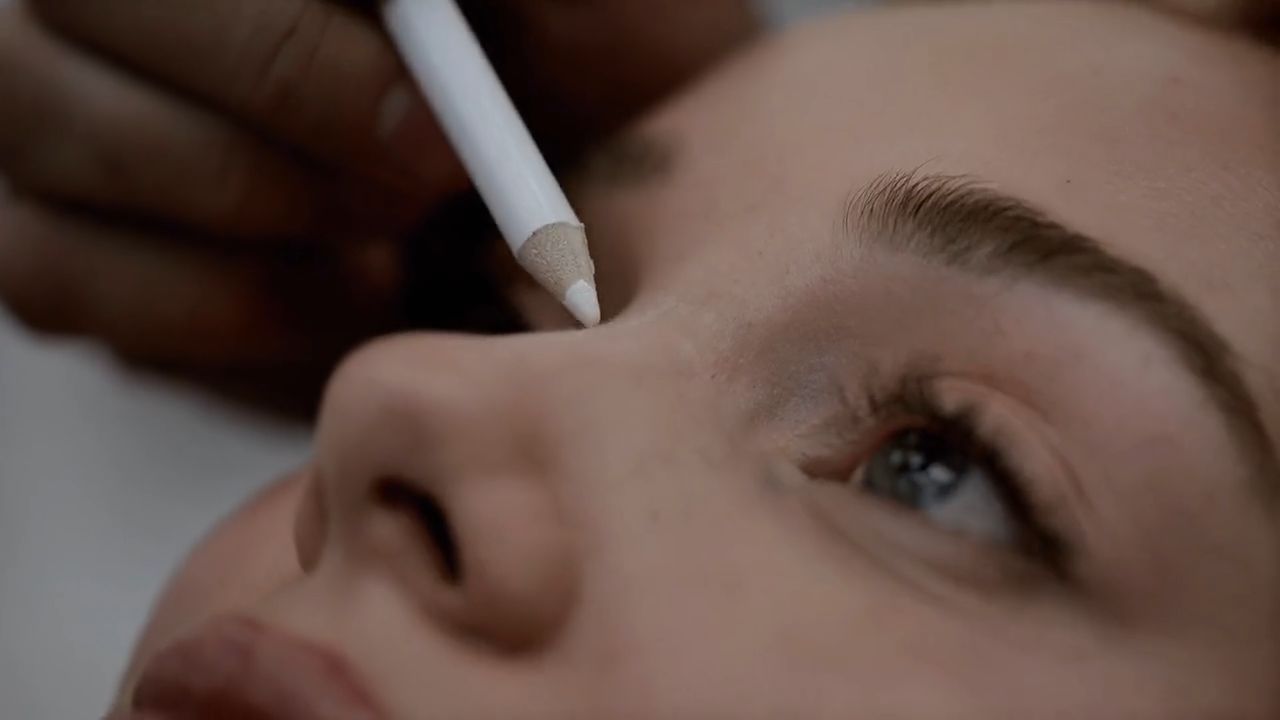
The inner end of the incision matters too. If it extends too far towards the nose, it can cross the curved hollow near the inner corner of the eye. There is a recognised risk there of a tight band of scar known as webbing. For this reason, marking is done with you sitting upright, usually with the eyes both open and closed, so that the line follows your own anatomy rather than a standard template. The amount of skin removed is also judged conservatively, because removing too much can make it difficult to close the eye fully.
Lower eyelid surgery uses different approaches. A subciliary incision runs just beneath the lower lashes and then outwards into a crease. A transconjunctival approach is made on the inside of the lower lid and leaves no external skin scar. It is only suitable for certain concerns, typically bulging fat without much excess skin. Lower lid surgery carries its own specific risks, including changes to the position or shape of the lid, and whether it is appropriate for you needs a face-to-face assessment.
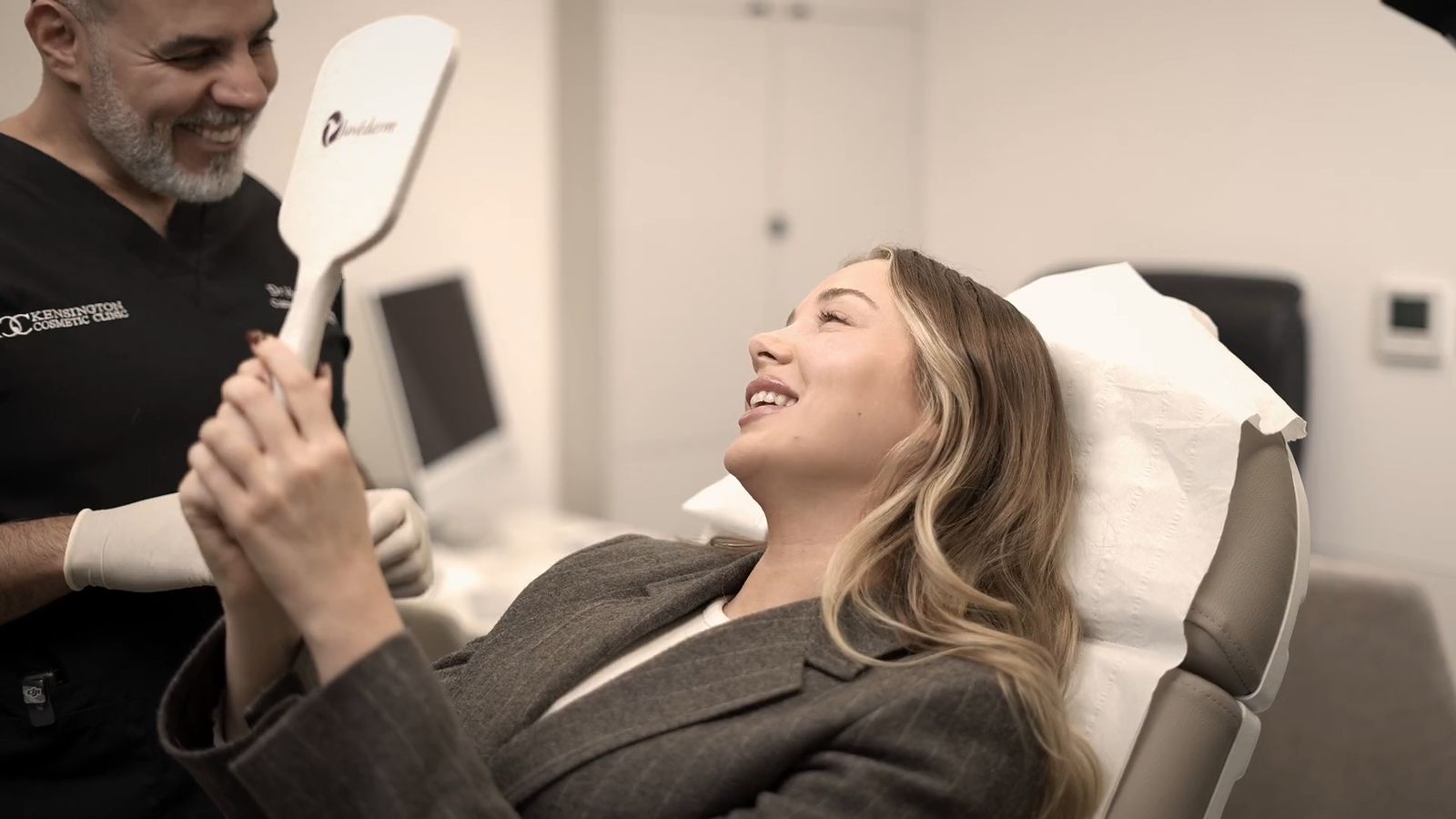
At KCC, consultations are doctor-led, and surgery is performed by Dr Hassan Soueid or one of our qualified surgeons. Every eyelid consultation includes a frank discussion of where your incision would sit and how visible it is likely to be on your particular eyelid shape.
How an eyelid incision heals beneath the surface
Scar healing follows the same broad biological stages wherever it happens in the body. Understanding these stages explains why a scar can look worse at six weeks than it did at two, and why it is not sensible to judge the outcome early.
The inflammatory phase (first few days). Straight after surgery, the body seals the wound and sends immune cells to clear debris and defend against infection. This is when swelling, bruising and redness are most obvious. Surface cells at the wound edges begin bridging the gap quickly. On the eyelid, the skin surface is often sealed within a day or two, although it remains very fragile.
The proliferative phase (roughly the first few weeks). Cells called fibroblasts lay down new collagen to knit the tissue together, and small new blood vessels grow into the area to supply it. This is why a healing scar looks pink or red and can feel firm, slightly raised or a little lumpy. The wound is still weak at this stage, which is why you are asked to avoid rubbing, pulling or heavy strain.
The remodelling phase (from a few weeks to a year or more). Over many months, the initially disorganised collagen is broken down and laid down again in a more orderly pattern. Blood vessels gradually regress, so redness fades, and the scar flattens and softens. Scar tissue never becomes identical to the surrounding skin and never fully regains the strength of uninjured skin. On the eyelid, though, it frequently matures into a fine, pale line.
Eyelid skin has some natural advantages. It is very thin and has an excellent blood supply. When an incision is placed in the crease and closed without tension, little force pulls the edges apart. These are among the reasons upper eyelid scars generally heal more discreetly than scars on the chest, back or abdomen. The same rich blood supply is also why bruising and swelling can be so noticeable early on, and individual variation remains significant.
A realistic scar timeline, from stitches out to one year
Week one. The incision line is visible, with some redness, crusting and swelling. If non-dissolvable stitches are used, they are often removed at around five to seven days. Swelling can make the two sides look different and can temporarily distort the crease. At this stage, that is rarely a sign of a problem.
Weeks two to six. Once the stitches are out and swelling settles, the line is usually pink. The outer end may look slightly raised or feel firm. Some people notice tightness, numbness or tingling along the lid. This is often when patients feel most self-conscious about the scar, because the bruising has gone and attention shifts to the line itself. Camouflage make-up may be possible once your clinician confirms the wound has fully closed.
Months two to six. Redness gradually fades and firmness softens. Small irregularities, such as a slightly uneven edge or a tiny bump, commonly improve during this period. The scar can be sensitive to sunlight and may darken if it is not protected.
Six to twelve months and beyond. Most eyelid scars are approaching maturity by this stage, although some continue to improve for longer. This is when the final appearance can be assessed fairly. Any discussion of revision or further treatment is usually postponed until the scar has had the chance to mature. Something that looks concerning at three months may be far less noticeable at twelve.
What influences how your eyelid scar heals
Some factors are outside your control. Genetics play a large part. If you have a history of thickened, raised or keloid scars elsewhere, mention it at consultation, even though keloids on the eyelid itself are uncommon. Skin type matters too. People with darker skin tones are more prone to pigment changes, where the scar becomes darker or lighter than the surrounding skin.
Other factors are within your influence:
- Smoking and nicotine. Nicotine narrows blood vessels and reduces oxygen delivery to healing tissue. This applies to cigarettes, vapes and nicotine replacement products. You will usually be advised to stop for a period before and after surgery.
- Sun exposure. Ultraviolet light can make healing scars darken, sometimes for a long time. Even during a grey London winter, daylight exposure adds up. Sunglasses help, and so does appropriate sun protection once the wound has closed.
- Medicines and supplements. Blood-thinning medicines and some supplements can increase bruising and bleeding, which can affect healing. Never stop a prescribed medicine on your own. Discuss it with your doctor during consultation.
- Rubbing and scratching. Hay fever, eczema or a habit of rubbing the eyes can repeatedly strain a healing incision. If you have allergies, it helps to plan surgery outside your worst season where possible.
- General health. Conditions such as diabetes, thyroid problems and inflammatory skin conditions can affect healing. They should be well controlled before elective surgery.
Surgical factors matter as well. These include where the incision is placed, how much skin is removed, how the wound is closed and whether it sits under tension. That is a good reason to choose a clinic where you can discuss the plan openly and ask who will perform your operation. Even when everything is done well, two people having the same operation can heal differently, and that is worth accepting before you proceed.
Caring for your incision: what helps and what does not
Your own written aftercare instructions should always take priority over general advice, including this article, because they are tailored to your operation. That said, the principles are fairly consistent.
What usually helps.
- Keep the wound clean as instructed.
- Use cool compresses in the first days to limit swelling.
- Sleep with your head raised.
- Apply any ointment exactly as prescribed.
- Leave crusts alone, because they protect the healing skin beneath.
- Hold off on eye make-up, false lashes and contact lenses until you are told it is safe.
- Avoid swimming pools, saunas and hot tubs in the early weeks.
Once the wound has fully closed, you may be advised to use a silicone gel, which has reasonable evidence for supporting scar maturation. In some cases gentle massage is also suggested. Only start either when your clinician agrees.
What is unlikely to help, or may harm. Products marketed as scar miracles rarely have good evidence behind them. Vitamin E oil, often recommended online, has not been shown to improve surgical scars consistently and can irritate the skin in some people. Home peels, exfoliating acids and beauty devices are not advisable near a fresh eyelid scar. Laser or resurfacing should not be used on an immature scar without medical guidance. Treatments such as skin resurfacing may play a role later in overall skin quality around the eyes, but that is a separate decision, made once healing is complete.
Follow-up appointments matter. They let your doctor check the scar, remove stitches if needed and pick up small issues early.
When healing does not go to plan: problems worth recognising
Most issues with eyelid scars are minor and manageable, but it helps to know what they look like.
- Milia. These are tiny white cysts along the incision line, caused by trapped skin cells. They are fairly common and often settle, or can be removed simply.
- Suture tunnels or small cysts. These are small tracks or bumps where stitches passed through the skin. They can usually be treated if they persist.
- A thickened outer end. The outer part of the scar is more prone to firmness or redness. Many improve with time and scar care. In selected cases, a steroid injection, which is a prescription-only medicine, may be considered.
- Webbing. This is a band of tight scar near the inner corner. It is uncommon and may need revision.
- Pigment change. The scar may darken or lighten. This is more likely in darker skin types or with sun exposure.
- Eye dryness or difficulty closing. Temporary dryness and incomplete closure are relatively common while swelling is present. Persistent difficulty closing the eye needs review.
- Asymmetry. This is often due to uneven swelling early on, but occasionally it persists.
Some symptoms need urgent attention. Increasing pain, rapidly increasing swelling, a bulging eye or any change in vision after eyelid surgery can signal bleeding behind the eye. This is rare but serious. If it happens, seek emergency care immediately and contact the clinic. Report signs of infection promptly too, such as spreading redness, heat or discharge, or a wound that opens.
If a scar is still a concern once it has matured, the options can include:
- continued conservative care
- targeted injections
- energy-based treatments such as CO2 laser, in carefully selected cases
- surgical revision
The area around the eyes demands caution, and not everyone is suitable for every option. Our article on scar revision expectations explains why revision aims for improvement rather than erasure.
Who should think carefully before eyelid surgery
Blepharoplasty is not right for everyone, and a good consultation should be willing to say so.
- If you are hoping for no visible scar at all, surgery cannot meet that expectation.
- If heaviness is mainly caused by a lowered brow rather than excess eyelid skin, removing eyelid skin alone may not help. It could even make things worse by drawing the brow down further.
- A drooping upper lid margin caused by weakness of the lifting muscle, known as ptosis, is a different condition and needs a different assessment.
- Significant dry eye, active thyroid eye disease or recent eye surgery, including laser vision correction, may mean waiting or seeking an ophthalmology opinion first.
- A history of poor wound healing or problematic scarring, or being unable to stop smoking, increases the risk of a less favourable scar.
- If concern about your appearance feels overwhelming or is affecting daily life, we may suggest talking this through before considering surgery.
Booking your consultation
An eyelid consultation at our Kensington clinic is doctor-led and unhurried. We examine your eyelids, brow position, skin quality and eye health. We also ask about your scarring history, medicines and general health, and show you where an incision would likely sit. You should leave understanding the realistic benefits, the risks, the likely scar and the recovery involved, and knowing who would perform your operation.
Useful questions to bring include:
- How far will the incision extend?
- What would happen if I scar poorly?
- How many follow-up appointments are included?
- What are my options if I am unhappy with the scar later?
We are introducing HonestFace, our own iPad app for digital consultation forms, consent signing and secure patient records, so that your paperwork is clear and easy to review. We always build in a cooling-off period between consultation and surgery so you have time to reflect.
KCC is registered with the Care Quality Commission. If you live or work in London and would like a candid assessment of whether eyelid surgery suits you, you can book a consultation online.
Frequently asked
Questions we get asked
- Will my upper blepharoplasty scar be visible?
- The incision is usually placed in the natural eyelid crease, so with the eyes open much of it tends to sit within the fold. It is easier to see with the eyes closed and during the first months of healing. The outer end may stay visible for longer. Every incision leaves a permanent scar, and nobody can promise it will be invisible.
- How long does it take for an eyelid scar to fade?
- Most eyelid scars look pink for several weeks and then fade gradually over the following months. Scars continue to remodel for around a year, sometimes longer, so the final appearance is usually assessed at about twelve months rather than earlier.
- When can I wear eye make-up after eyelid surgery?
- Only once your clinician confirms the incision has fully closed. The timing varies from person to person, so follow your own aftercare instructions. When you do restart, use fresh products and remove them gently without rubbing across the scar.
- Should I use silicone gel or scar creams on my eyelid scar?
- Silicone gel has reasonable evidence for supporting scar maturation and may be recommended once the wound has fully closed. Many other scar products lack good evidence, and some, such as vitamin E oil, can irritate the skin. Check with your clinician before applying anything to the area.
- What can be done if I am unhappy with my blepharoplasty scar?
- First, raise it at a follow-up appointment, because many concerns improve as the scar matures. If the scar is still a problem after it has matured, options may include targeted injections, carefully selected laser treatment or surgical revision. Any of these aims for improvement rather than complete removal of the scar.