

Surgical · 11 min read
Breast Implant Removal and Replacement in London: When to Consider It
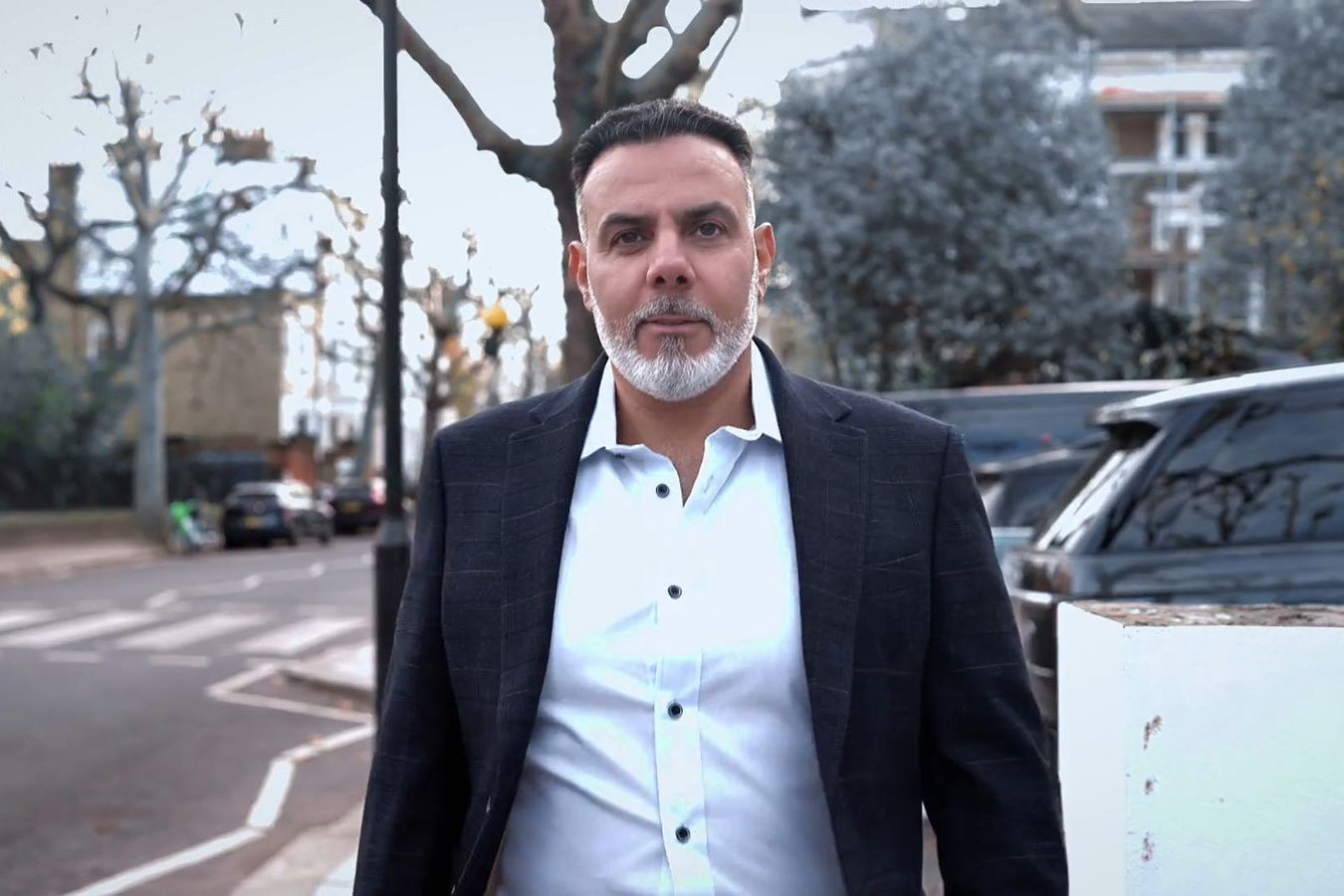
By Dr Hassan Soueid · GMC 6107783 · Medical Director, Kensington Cosmetic Clinic
Published 3 November 2026
TL;DR. Breast implants do not have a fixed expiry date, but they are not lifetime devices either. Removal or replacement is worth discussing with a doctor if you have new symptoms, a suspected rupture, hardening, a change in shape, or different goals from when you first had surgery.
Many women who had breast augmentation ten, fifteen or twenty years ago now find themselves asking the same question: should I be doing something about my implants? Some have a clear reason, such as a breast that has become firm or painful, or a scan that has shown a possible rupture. Others have no symptoms at all. They may have read something online, been told by a friend that implants 'must be changed every ten years', or feel that their body and priorities have moved on.
This guide sets out, as plainly as we can, the medical and personal reasons people consider implant removal or replacement. It covers the options, what revision surgery involves, and who might be better off waiting. It is written for people in London and beyond who want a realistic picture before they book anything. Every revision is different, because every breast, every implant and every previous operation is different, so it cannot replace an individual assessment.
Do breast implants need replacing every ten years?
This is probably the most common misconception we hear in consultations at our Kensington clinic. Breast implants are medical devices and they can wear, but there is no date on which they automatically fail. UK guidance, including information from the NHS and the Medicines and Healthcare products Regulatory Agency (MHRA), does not recommend routinely replacing implants simply because a certain number of years has passed, provided they are not causing problems.
What is true is that the longer implants are in place, the more likely it becomes that you will need or want further surgery at some point. The shell can weaken over time and the scar tissue around the implant can change. The breast tissue itself also changes with age, pregnancy, breastfeeding, weight change and the menopause. An implant that sat well in a 25-year-old's breast may look and feel quite different in the same person at 45, even if the implant itself is completely intact.
So you do not need to replace implants on a timetable, but you should expect to keep an eye on them for life. That means knowing how your breasts normally look and feel, attending any recommended follow-up, continuing with breast screening when invited, and seeking advice if anything changes. If you are unsure which implants you have, the details may be on your original operation note or implant card. Many implants fitted in England in recent years are also recorded, with the patient's consent, on the Breast and Cosmetic Implant Registry. Having that information to hand makes any future conversation much more productive.
Medical reasons to consider removal or replacement
Some reasons for revision are clearly medical. In these situations it is sensible to get a doctor's assessment rather than wait and see.
Capsular contracture
Your body naturally forms a thin layer of scar tissue, called a capsule, around any implant. In most people this stays soft and unnoticeable. In some, the capsule thickens and tightens, squeezing the implant. This is capsular contracture. Doctors often grade it on a scale from grade I, where the breast looks and feels normal, to grade IV, where it is hard, painful and visibly distorted.
Mild changes may need nothing more than monitoring. Firmness, discomfort or a change in shape that affects your daily life is a common reason for revision. This usually involves removing some or all of the capsule as well as the implant. Contracture can come back after revision, and any surgeon should discuss that with you openly.
Rupture
Saline implants that rupture tend to deflate quickly, so the change is obvious. Modern silicone gel implants behave differently. Because the gel is cohesive, a tear in the shell may cause no symptoms at all, which is sometimes called a silent rupture. When there are signs, they may include a change in size or shape, new firmness, lumps or tenderness.
Ultrasound is often used as a first assessment, and MRI may be recommended where the picture is unclear. A confirmed rupture is usually a reason to plan removal, with or without replacement. The timing is something to discuss calmly with your doctor, not something to panic about.
Position and shape problems
Implants can drop too low (sometimes called bottoming out), drift towards the armpit, or sit unevenly. Rippling is another common concern, particularly with implants placed above the muscle in slim patients. This is where the edges or folds of the implant can be seen or felt through thin tissue. Some implants placed under the muscle can cause animation deformity, where the breast moves or distorts when the chest muscle contracts. If you want to understand how placement affects these issues, our article on implants under versus over the muscle explains the trade-offs.
BIA-ALCL and symptoms that need prompt review
Breast implant-associated anaplastic large cell lymphoma (BIA-ALCL) is a rare type of lymphoma. It develops in the fluid or scar tissue around an implant, not in the breast tissue itself, and has been linked mainly with textured implants. The most typical sign is significant swelling of one breast, often from a build-up of fluid, appearing years after the original operation.
Current UK guidance does not advise removing implants in people who have no symptoms because of this risk. However, new swelling, a lump or persistent pain should always be assessed promptly by a doctor, usually with imaging. Any new breast lump, whether or not you have implants, should also be checked through your GP.
Personal reasons: when your goals have changed
Not every revision is driven by a problem with the implant. Many people simply feel differently about their body than they did when they first had surgery, and that is a legitimate reason to seek advice.
Common examples include:
- Wanting smaller breasts that feel more in proportion with an active lifestyle.
- Wanting a different shape after pregnancy and breastfeeding have changed the breast tissue.
- Noticing that the natural breast has descended over the implant, creating what is sometimes called a waterfall or Snoopy deformity.
- Feeling that implants which suited you in your twenties no longer feel like you.
- Simply no longer wanting a device in your body.
Some people come to us because of symptoms they associate with their implants, such as fatigue, joint pain, brain fog or skin changes. This is often described as breast implant illness. We take these concerns seriously and we listen carefully. We also need to be honest with you:
- Breast implant illness is not currently an established medical diagnosis.
- The evidence about what causes these symptoms is limited.
- Many of the symptoms overlap with other conditions that deserve proper investigation in their own right.
Some people say they feel better after removal and others do not, and the reasons are not well understood. Removal is a reasonable choice for anyone who no longer wants implants. No surgeon can promise that it will resolve symptoms, though, and you should be wary of anyone who does.
Whatever your reason, it helps to come to a consultation with a clear sense of what is bothering you and what you would like to change. 'I want them out' and 'I want them to feel the way they did ten years ago' lead to very different conversations.
Your options: remove, replace, lift or combine
Revision is not a single operation. The options fall into a few broad groups, and the right one depends on your tissues, your implant, any capsule problems and your goals. Each is covered in more detail on our breast surgery page.
Removal only (explant)
Taking the implants out without replacing them is a perfectly valid choice. The key question is how the breast will look afterwards. Implants stretch the skin and can thin the breast tissue over time. After removal, some people find their breasts look flatter, softer or looser than before their augmentation. This is more likely with larger implants and implants that have been in place for longer, although skin quality, age and previous pregnancies all play a part. Some people are entirely comfortable with that outcome. Others prefer to consider an additional procedure.
Capsule surgery
Depending on the situation, the surgeon may:
- leave the capsule in place;
- remove part of it (partial capsulectomy);
- remove all of it (total capsulectomy); or
- where clinically indicated, remove the implant and capsule together as one unit, sometimes called en bloc.
More extensive capsule removal is not automatically better. It can mean a longer operation and a higher risk of bleeding or damage to surrounding tissue. The approach should be based on clinical reasons, such as contracture, rupture or suspected BIA-ALCL, rather than marketing language.
Removal with a breast lift
Where there is significant loose skin or the nipple sits low, a mastopexy can be combined with removal, or carried out as a separate stage later. Lift surgery adds scars and its own risks, so it is worth reading our guide to breast lift candidacy before your appointment.
Removal and replacement
Replacing implants allows a change of size, shape, profile or position, or simply a new device where the old one has failed. Going smaller is a common request. Changing the pocket, for example moving an implant from above to below the muscle, may help with some position or rippling problems, but it adds complexity.
Removal with fat transfer
For some people, using their own fat to add modest volume after implant removal is worth discussing. Fat transfer has some important limits:
- You need enough donor fat, and liposuction is added to the procedure.
- Not all of the transferred fat survives, so any change is usually subtle and may need more than one session.
- It is not suitable for everyone, and it is not a like-for-like substitute for an implant.
How revision differs from a first operation
It is easy to assume that a second breast operation will be simpler than the first. Often it is not. The surgeon is working with scar tissue, an existing pocket, stretched tissues, and sometimes a damaged implant or leaked gel. That can make the operation longer and the outcome less predictable than a first augmentation.
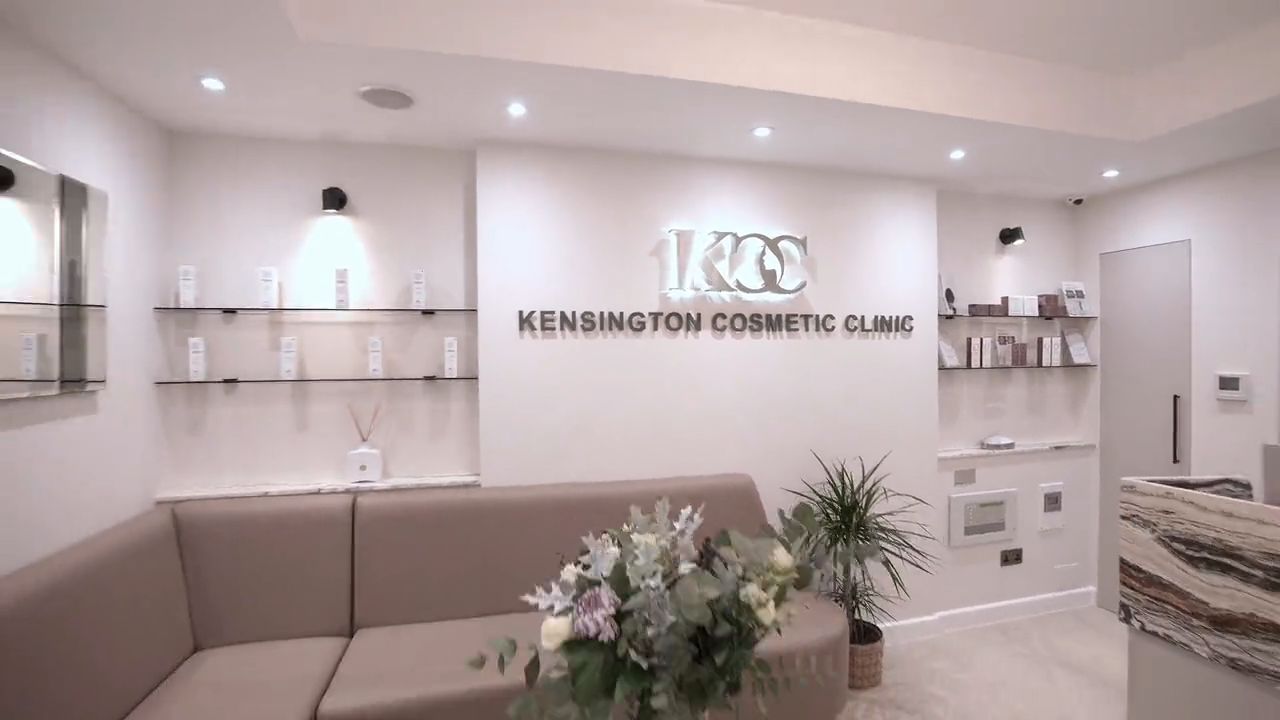
At KCC, consultations are doctor-led, and operations are performed by Dr Hassan Soueid, our Founder and Medical Director, or one of our qualified surgeons. Before recommending anything, we will want to understand your full history:
- when and where your original surgery was performed;
- the make, size and type of your implants, if known;
- whether they are smooth or textured;
- which pocket they were placed in; and
- whether you have had any further operations.
Your previous operation records are very helpful, so it is worth requesting them from the original provider in advance.
We will examine you, discuss your symptoms and goals, and arrange or review imaging where appropriate. You will have time to ask questions, and you should never feel pressured to decide on the day. Consent for revision surgery covers specific issues, including:
- the possibility that the outcome differs from what you hoped;
- the chance of further surgery in future; and
- what happens if unexpected findings occur during the operation.
We are introducing HonestFace, our own iPad app for digital consultation forms, consent signing and secure patient records, to make the paperwork side of this process clearer and easier to keep track of.
Risks, recovery and realistic expectations
All surgery carries risk, and some risks are more likely in revision surgery than in a first operation. These include:
- bleeding and haematoma;
- infection;
- seroma, which is a collection of fluid;
- wound healing problems;
- changes in nipple or skin sensation;
- asymmetry and visible scarring; and
- the risks of a general anaesthetic.
After replacement, capsular contracture, rupture and malposition can all happen again. After removal, you may be left with loose skin, an uneven contour or a shape you find harder to accept than you expected. Some people go on to need or choose further surgery.
Recovery depends heavily on what is done. Simple removal with minimal capsule surgery generally involves a shorter recovery than total capsulectomy with replacement. Both tend to be shorter than revision combined with a lift. Many people need one to two weeks away from desk-based work, and longer for physical jobs.
You will usually be asked to wear a supportive bra, avoid heavy lifting and strenuous exercise for several weeks, and attend follow-up appointments. Drains are sometimes used, particularly after more extensive capsule removal. Swelling takes months to settle fully, and the breast shape keeps changing as the tissues soften. After removal in particular, it can take several months before you can fairly judge how your breasts have settled. This is one reason surgeons often suggest waiting before deciding whether a lift is needed.
It is also worth being realistic about what revision can achieve. Surgery can address specific problems and change the size or shape of the breast. It cannot reverse the effects of time on the skin, promise perfect symmetry, or return the breast to exactly how it was before any surgery.
When it may be better to wait, or not to proceed
Revision is not right for everyone. We may advise waiting or reconsidering in these situations:
- No symptoms. If you are only considering replacement because of a perceived ten-year rule, a check-up is usually more appropriate than an operation.
- Pregnancy plans. If you are planning a pregnancy, are pregnant or are breastfeeding, your breast shape is likely to change again, so elective revision is usually better deferred.
- Changing weight. If your weight is changing significantly, it is often sensible to wait until it is stable.
- Smoking or nicotine. Smoking or vaping nicotine raises the risk of wound healing problems, particularly with lift surgery, and you will usually be asked to stop well beforehand.
- Medical conditions. Any condition that makes surgery less safe needs to be assessed and well controlled first.
- Expectations and timing. If you are focused on a specific look you have seen elsewhere, are going through a period of significant stress, or feel under pressure from someone else, it is better to pause.
There are also situations where you should not wait. New swelling, a lump, persistent pain, redness or signs of infection should all be assessed promptly, whatever your plans for elective surgery.
Booking your consultation
If you are thinking about breast implant removal or replacement, the first step is a conversation, not a commitment. Kensington Cosmetic Clinic is a doctor-led clinic in Kensington, west London, registered with the Care Quality Commission. At your consultation we will:
- review your history and any imaging;
- examine you;
- explain the options that genuinely fit your situation; and
- talk honestly about risks, recovery and what you can realistically expect.
Costs depend on the procedure planned and are discussed at consultation.
Please bring whatever you have from your original surgery, such as implant cards, operation notes and recent scan reports. If you have none, we can still assess you and advise on next steps. You are welcome to take time afterwards to think, ask further questions or seek another opinion. Patients come to us from across London and further afield, and we are happy to plan appointments around travel.
When you are ready, you can book a consultation online or contact the clinic directly.
Frequently asked
Questions we get asked
- Do breast implants need to be replaced every 10 years?
- No. UK guidance does not recommend routinely replacing implants that are not causing problems. Implants are not lifetime devices, though, so it is sensible to know how your breasts normally feel, keep up with screening and seek advice if anything changes.
- How would I know if my silicone implant has ruptured?
- Modern silicone implants can rupture without any symptoms. When there are signs, they may include a change in size or shape, new firmness, lumps or tenderness. A doctor can assess you and may recommend an ultrasound or MRI scan to clarify the picture.
- What will my breasts look like after implant removal?
- It varies from person to person. Implants stretch the skin and can thin breast tissue, so some people find their breasts look flatter or looser afterwards. Implant size, how long it has been in place, skin quality and previous pregnancies all play a part, and a lift may be discussed if appropriate.
- Should I have textured implants removed because of BIA-ALCL?
- Current UK guidance does not recommend removing implants in people without symptoms because of BIA-ALCL, which is rare. New swelling, a lump or persistent pain should always be assessed promptly by a doctor, usually with imaging.
- Can implant removal and a breast lift be done at the same time?
- Sometimes, yes. In other cases it is safer or more predictable to remove the implants first and assess the breasts once they have settled before planning a lift. The right approach depends on your tissues, your health and your goals, and is discussed at consultation.