

Surgical · 12 min read
Breast Augmentation Recovery in London: A Week by Week Timeline
By Dr Hassan Soueid · GMC 6107783 · Medical Director, Kensington Cosmetic Clinic
Published 31 October 2026
TL;DR. Breast augmentation recovery is gradual and is measured in weeks and months rather than days, with the first fortnight the most restrictive, a return to fuller exercise usually discussed around six weeks and implants continuing to settle for several months, but every recovery is individual and your surgeon's advice for you always takes priority.
Why a breast augmentation timeline is a guide, not a promise
One of the most common questions we hear at consultation in our Kensington clinic is simply, “How long will it take me to recover?” It is a fair question, and it deserves a straight answer: it depends. Recovery after breast augmentation follows a broadly predictable pattern, but the pace varies from person to person. Read the timeline below as a general outline rather than a schedule you are expected to hit.
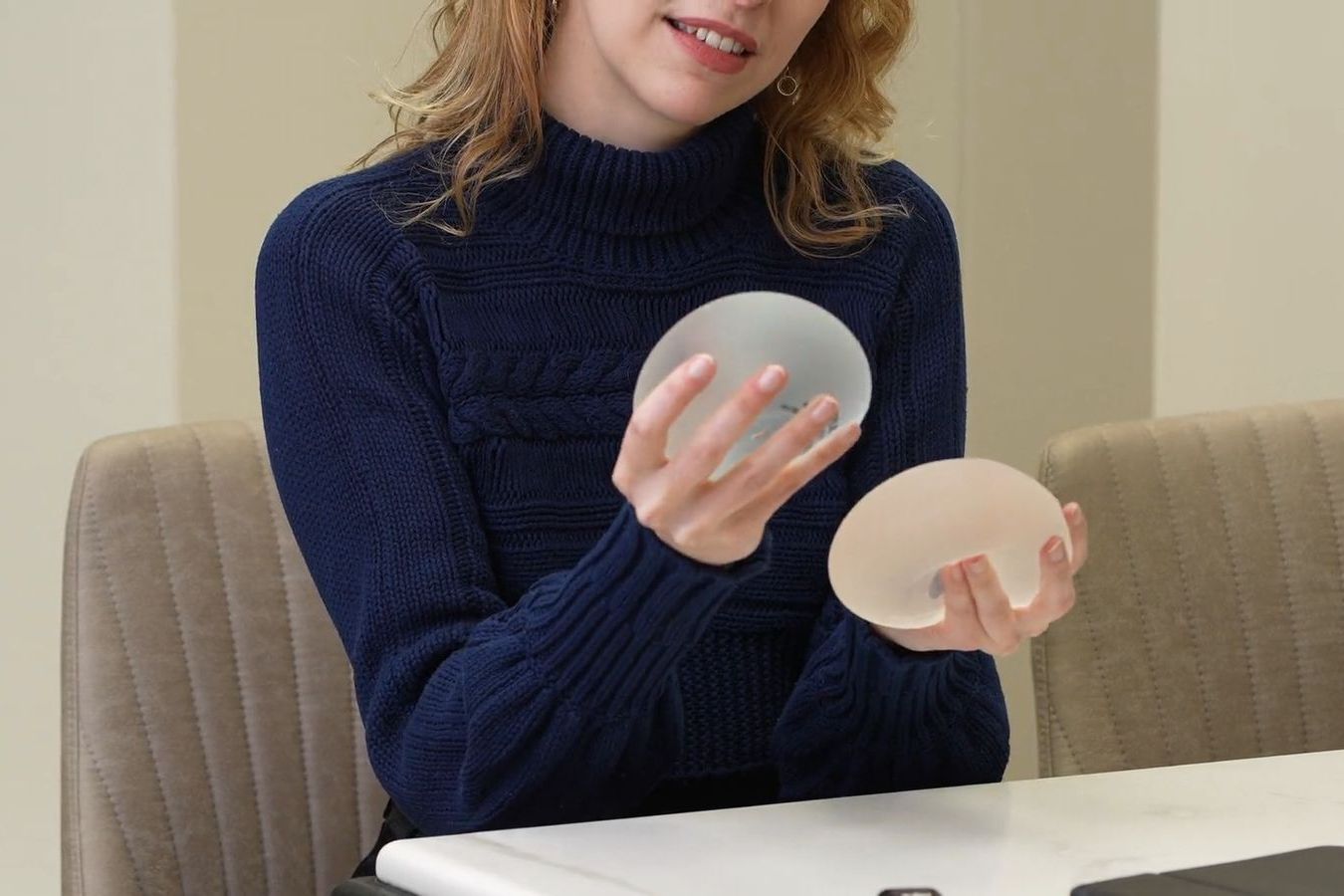
Several factors shape how your recovery feels. Implant placement matters a great deal. Implants placed beneath the chest muscle, or in a dual plane position, tend to cause more tightness and discomfort in the early weeks than implants placed above the muscle, because the muscle itself has been lifted and needs time to relax. Other factors also play a part:
- the incision site
- the size of the implant relative to your natural tissue
- your general health and whether you smoke
- whether breast augmentation is combined with a lift or another procedure
Your job and home life matter too. Someone with a desk-based role and support at home will have a different experience from someone who lifts children or works on their feet all day.
If you are still deciding on implants, our guide to choosing implant size, shape and profile covers those decisions in detail. Our breast surgery page explains the procedures we offer. This article focuses on what recovery tends to look like, week by week, and on what is and is not normal along the way. Nothing here replaces the individual instructions your surgical team gives you, which are based on your own operation.
Before surgery: setting up a recovery that works
A smoother recovery usually starts weeks before the operation. At your doctor-led consultation, we will talk through your medical history, medications, previous surgery and what you hope to achieve. We will be candid if we think breast augmentation is not the right choice for you, or not the right choice yet.
Breast augmentation may not be suitable if you:
- are under 18, or feel pressured by someone else to have surgery
- are pregnant, breastfeeding or planning a pregnancy in the near future, as pregnancy and breastfeeding can change breast shape and volume
- smoke or use nicotine products and are not willing to stop for the period your surgeon advises, because nicotine reduces blood flow and raises the risk of wound healing problems and infection
- have certain medical conditions, such as poorly controlled diabetes or a bleeding disorder, that increase surgical risk
- are hoping surgery will resolve broader concerns about body image or wellbeing, or expect a specific, exact outcome
- cannot realistically take time off work or arrange help at home during the first one to two weeks
If you are going ahead, practical preparation helps. Arrange for someone to drive you home and, ideally, to stay with you for the first night or two. Plan for around two weeks away from work if your job is desk-based, and longer if it is physical; your surgeon will advise. Move everyday items to waist height, because reaching up to high cupboards will be uncomfortable early on. Have front-fastening tops ready, along with the post-surgical bra you are given or advised to buy and pillows to keep you propped up in bed. Line up help with lifting children, carrying shopping and other heavy tasks. If you live outside London and are travelling in for surgery, factor in the journey home and any follow-up appointments in Kensington before you book travel.
The first 48 hours: rest, support and patience
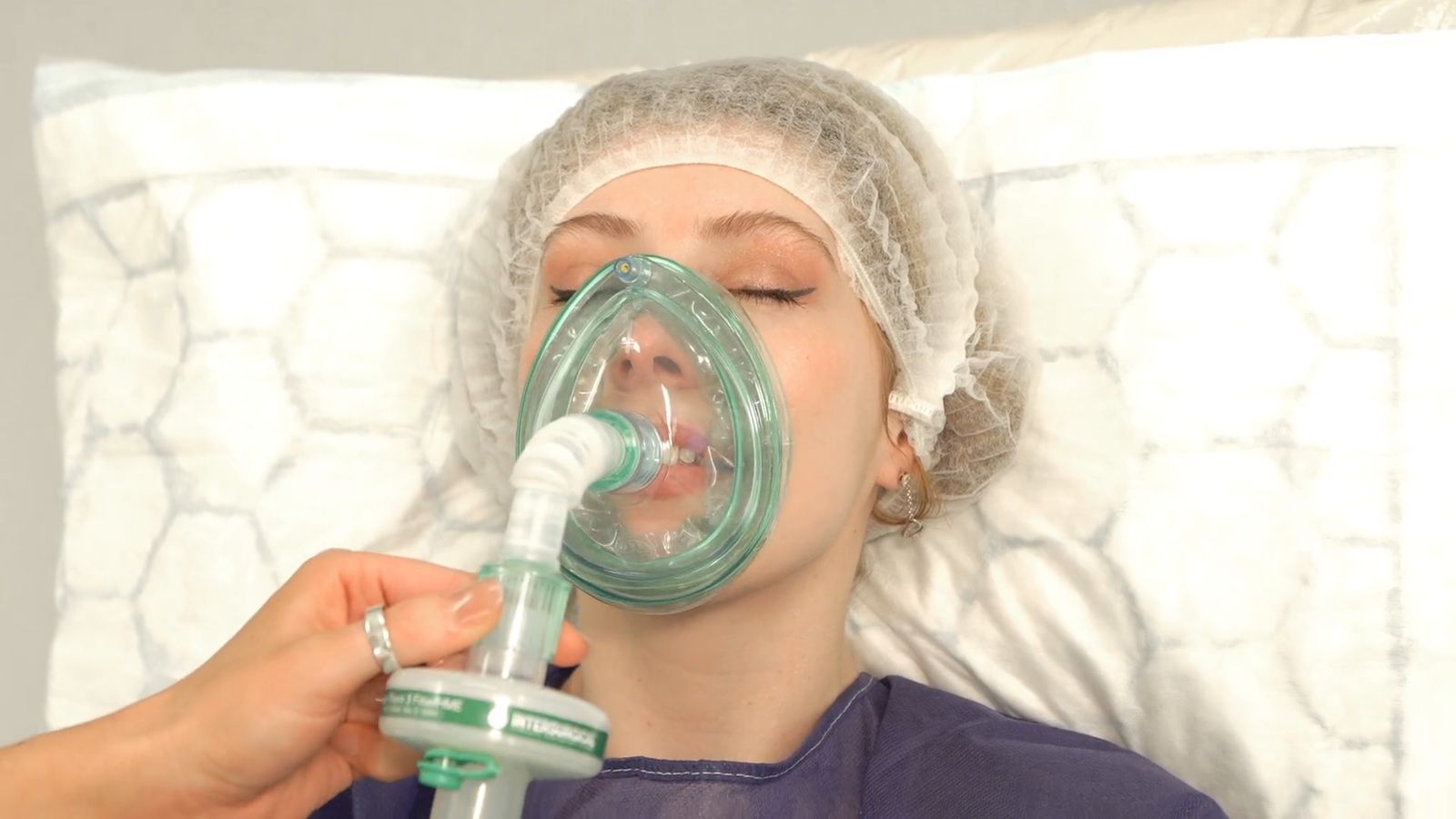
Breast augmentation is usually performed under general anaesthetic by Dr Hassan Soueid or one of our qualified surgeons. Most patients go home the same day or after an overnight stay, depending on the operation and how they feel afterwards. Before you leave, the team will check your wounds and explain your medication. You will also receive written aftercare instructions and a number to call.
The first two days are generally the most uncomfortable. Patients often describe tightness or heavy pressure across the chest, sometimes likened to the ache after an intense chest workout, particularly when implants have been placed beneath the muscle. Some people feel discomfort spreading towards the armpits or back. Prescribed or recommended pain relief usually keeps this manageable. Take it regularly as advised rather than waiting until discomfort builds.
You will wear a supportive surgical bra and may be asked to keep it on day and night. Sleeping propped up on your back, with pillows under your arms, tends to be more comfortable and reduces strain on the chest. Getting up and walking gently around the house a few times a day is encouraged, because light movement helps circulation and lowers the risk of blood clots. Avoid lifting, stretching your arms overhead and pushing yourself up with your arms.
Tiredness after a general anaesthetic is normal, as are nausea and a reduced appetite for a day or so. Drink plenty of fluids and keep meals light. Swelling and some bruising are expected. The breasts often look higher and firmer than they eventually will, which is a normal part of early healing and not a sign of the final shape.
Week one: the most restrictive stretch
For most people, the first week is about doing very little, and doing it well. Discomfort usually eases noticeably over the first few days, and many patients find they can reduce pain relief by the end of the week. Swelling, tightness and sensitivity continue, though, and it is common to feel more tired than expected.
During this week you will typically be asked to:
- keep wearing the supportive bra as instructed
- avoid lifting anything heavier than a kettle
- keep your elbows close to your sides and avoid raising your arms above shoulder height
- continue sleeping on your back
- keep dressings clean and dry, and shower only once your team says it is appropriate
- avoid driving, as you may not be able to brake suddenly or turn the wheel safely, and your insurance may not cover you
Changes in nipple and breast skin sensation are common at this stage. Some people feel numbness. Others feel heightened sensitivity or shooting, electric-type sensations as nerves recover. These often improve over weeks and months, but in some cases altered sensation lasts longer or is permanent. This is one of the risks we discuss at consultation.
A follow-up appointment is usually arranged within the first week or two so that a member of the clinical team can check your wounds and how you are healing. Emotionally, it is not unusual to feel low or to have doubts in the first week. Your breasts are swollen, high and unfamiliar, you are sore and tired, and you cannot do much. These feelings often pass as healing progresses, but please talk to us if they do not.
Weeks two to six: returning to normal life, gradually
By the second week, many people feel considerably better and start to move around more freely. Patients with desk-based jobs often consider returning to work at this point, as long as they can avoid lifting and their commute does not involve heavy bags or crowds where they might be jostled. If you use public transport in London, think about this in advance. A packed carriage at rush hour is not ideal when your chest is still tender.
Weeks two and three. Stitches are usually dissolvable, though some may need removing at a follow-up. Your wounds will be checked, and you will be told when to begin scar care. Swelling continues to reduce, but slowly. You can usually increase light walking, and many patients feel ready for short trips out. Driving may be discussed once you can wear a seatbelt comfortably, perform an emergency stop and turn the wheel without pain. Confirm this with your surgeon and check your insurer's position.
Weeks three to four. Day-to-day tasks typically become easier. You may still be advised to avoid lifting, pushing and pulling, and to keep wearing a supportive bra. Underwired bras are generally avoided until your surgeon is happy that the incisions have healed sufficiently, particularly those in the fold beneath the breast. Gentle lower body exercise, such as easy stationary cycling, might be discussed. Anything that involves bouncing, working the chest muscles or a raised heart rate for long periods is usually still off the table.
Weeks five to six. Around the six-week mark, many surgeons review whether a patient can begin reintroducing more exercise, starting gently and building up. Chest-focused exercise, such as press-ups, chest presses and heavy upper body weights, usually comes back later and more cautiously, particularly if the implant sits beneath the muscle. Swimming is typically delayed until wounds are fully healed. Sleeping on your side may become comfortable around this time, though sleeping on your front often takes longer.
Flying is another common question, especially for people travelling to London for surgery. Long-haul travel shortly after an operation increases the risk of blood clots. Being far from your surgical team if a complication develops is also a real concern. Your surgeon will advise on timing, but it is sensible not to book holidays during the early weeks of recovery.
Throughout this period, progress gradually. Feeling better is not the same as being fully healed internally, and doing too much too soon is a common cause of setbacks.
Months two to twelve: settling, scars and patience
Recovery does not stop when you return to the gym. Over the following months, swelling continues to subside and the implants gradually settle as the surrounding tissues and muscle relax. Patients sometimes describe the breasts becoming softer and sitting a little lower over time. How much this happens, and how quickly, varies considerably, which is why surgeons generally advise against judging the outcome in the first few weeks. It is also why we cannot promise any particular final appearance. Bodies heal differently, and natural asymmetry, which almost everyone has, may persist or become more noticeable.
Scars follow their own timetable. In the first few months they often look pink, red or slightly raised, then gradually flatten and fade over a year or longer. How a scar looks depends on genetics, skin type, the incision site and how the wound was cared for. Some people develop thicker hypertrophic or keloid scars. People with darker skin tones may be more prone to this or to pigment changes. Protecting scars from the sun and following your surgeon's advice on silicone gels or massage can help. If scarring becomes a concern later, our article on scar revision expectations explains what can and cannot realistically be improved.
Once fully healed, some patients consider combining breast surgery with body procedures. Combining or staging operations is a decision to make carefully with your surgeon. Our mummy makeover page and our article on combining procedures safely discuss the balance between convenience and risk. Others ask about fat transfer as an alternative or addition. It has its own recovery and limitations and is not right for everyone.
Finally, breast implants are not lifetime devices. Many people will need further surgery at some point. That might be to replace or remove implants, to manage a complication, or to address changes from ageing, weight change or pregnancy. This is part of the long-term commitment of having implants.
Risks, complications and when to call us
Every operation carries risk, and breast augmentation is no exception. We discuss these openly at consultation, because an informed decision is the only good one. Recognised risks include:
- Haematoma: a collection of blood around the implant, usually in the first day or two, which may need a return to theatre
- Seroma: a collection of fluid that may need draining
- Infection: this can occasionally require antibiotics or, in more serious cases, implant removal
- Capsular contracture: the scar tissue that naturally forms around an implant tightens, which can cause firmness, distortion or pain and sometimes requires further surgery
- Changes in sensation: numbness or altered feeling in the nipple or breast skin, which may be temporary or permanent
- Implant rupture, rippling or malposition: these may need correction
- Breast implant associated anaplastic large cell lymphoma (BIA-ALCL): a rare type of lymphoma associated mainly with textured implants
- Systemic symptoms: some people with implants report these, sometimes describing them as breast implant illness, and they are still being studied
- General surgical risks: the risks of anaesthesia and surgery, including blood clots
Contact the clinic promptly, or seek urgent medical help if you cannot reach us, if you notice:
- one breast becoming suddenly much larger, tighter or more painful than the other
- increasing redness, heat or discharge from a wound
- a fever or feeling generally unwell
- pain that is getting worse rather than better
- calf pain or swelling, chest pain or shortness of breath, which need emergency attention
In the longer term, report any new swelling, lumps, hardening or change in shape, even years after surgery. Late swelling around an implant should always be assessed.
In the UK, the MHRA oversees the safety of medical devices, including breast implants. You can report suspected problems with an implant through the MHRA Yellow Card scheme. We will also discuss the Breast and Cosmetic Implant Registry, which tracks implants so that patients can be contacted if a safety issue arises. Knowing which implant you have, and keeping your implant information safe, is genuinely important.
Booking your consultation
If you are considering breast augmentation, the most useful next step is a proper conversation with a doctor. At Kensington Cosmetic Clinic, consultations are doctor-led. You will have time to talk through your goals, explore your options and ask about recovery in the context of your own work and family life. You will also hear honestly about risks and limitations. You can read more about our Founder and Medical Director, Dr Hassan Soueid, a GMC-registered doctor, and about how our team works.
Surgery is performed by Dr Hassan Soueid or one of our qualified surgeons. Our clinic in Kensington, London, is registered with the Care Quality Commission. We will never pressure you to book surgery at your first appointment. We encourage a cooling-off period so you have time to reflect, ask further questions and, if you wish, seek another opinion.
When you feel ready, you can book a consultation online. Bring your questions about recovery, your diary and any concerns, and we will help you build a realistic plan.
Frequently asked
Questions we get asked
- How long after breast augmentation can I return to work?
- Many people with desk-based jobs consider returning after around two weeks, provided they can avoid lifting and a crowded commute. Physical or manual roles usually need longer. Your surgeon will advise based on your operation, implant placement and how you are healing.
- When can I exercise again after breast augmentation?
- Gentle walking is encouraged from the first days. More strenuous exercise is commonly reviewed around six weeks and built up gradually. Chest-focused exercise such as press-ups and upper body weights is usually reintroduced later and more cautiously, particularly if the implant sits beneath the muscle.
- How long do I need to sleep on my back?
- Most patients are advised to sleep on their back, propped up with pillows, for the first few weeks. Side sleeping often becomes comfortable around four to six weeks, and front sleeping usually takes longer. Follow your surgeon's specific guidance.
- When will my breast implants settle?
- Implants usually settle gradually over several months as swelling reduces and the surrounding tissues relax. The pace varies between individuals, so it is best not to judge the outcome in the first few weeks. No particular final appearance can be promised.
- What symptoms after breast augmentation should I worry about?
- Contact the clinic promptly if one breast becomes suddenly larger, tighter or more painful, or if you notice increasing redness, wound discharge, fever or worsening pain. Calf pain or swelling, chest pain or breathlessness need emergency care. New swelling or lumps years later should also be assessed.