

Surgical · 11 min read
Buttock Contouring Recovery in London: Sitting, Sleeping and Garments
By Dr Hassan Soueid · GMC 6107783 · Medical Director, Kensington Cosmetic Clinic
Published 3 November 2026
TL;DR. Recovery from buttock contouring with fat transfer is mostly about protecting newly transferred fat from pressure for several weeks, wearing compression correctly over the liposuction areas, moving often to lower the risk of blood clots, and accepting that the final shape takes months to settle and cannot be predicted precisely.
Most people researching buttock contouring focus on the operation itself. The questions we hear most often in the weeks afterwards are far more practical: how do I get to work, how do I sleep, what do I do on the toilet, and how tight should this garment actually be? This guide is written for patients in London considering surgery at our Kensington clinic, or already booked and planning their recovery. It is deliberately honest about the inconvenient parts, because recovery after buttock contouring asks more of you day to day than many other cosmetic operations.
This is general information, not a personal plan. Your own instructions will come from the surgeon who operates on you, and where they differ from anything here, follow them. For the safety side of the procedure itself, including fat embolism and how surgeons work to reduce that risk, read our separate guide to buttock contouring and BBL safety. This article picks up where that one leaves off: the weeks after you go home.
Why recovery after buttock contouring is different
Buttock contouring with fat transfer is really two operations at once. First, fat is removed by liposuction from areas such as the abdomen, flanks, back or thighs. Second, some of that fat is processed and injected into the buttocks to change their shape and projection, a form of fat transfer. Each part of the operation has its own recovery needs, and sometimes those needs pull in opposite directions.
The liposuction areas want firm, even compression to control swelling and help skin settle against the underlying tissue. The transferred fat wants the opposite: as little pressure as possible while it establishes a new blood supply. Transferred fat is not connected to the circulation when it is placed. In the early weeks it depends on nearby tissue for oxygen and nutrients while small blood vessels grow into it. Sustained pressure, such as sitting directly on the buttocks for long periods, can squeeze those fragile vessels and may reduce how much fat survives.
So you are asked to compress some parts of your body, protect others, keep moving to reduce clot risk, and avoid the resting position most of us use dozens of times a day. None of these instructions is arbitrary, and understanding why each one exists makes them easier to follow.
It is also worth being clear from the start that not all transferred fat survives, whatever you do. Some is naturally reabsorbed by the body over the following months. Good aftercare may help, but it cannot guarantee a particular amount of fat retention or a particular shape, and anyone who promises otherwise is not being straight with you.
The first few days at home
The first 72 hours are usually the most uncomfortable. Expect soreness, tightness and bruising over the liposuction areas, often more noticeable than in the buttocks themselves. Many patients describe it as a very hard workout combined with deep bruising. Fluid leaking from the small liposuction incisions is common in the first day or two, and you may be advised to protect your bedding with absorbent pads.
You will need someone with you for at least the first night, and ideally for the first couple of days. Getting up, dressing and using the bathroom are harder than people expect, partly because of soreness and partly because you are trying to avoid pressure on the buttocks. Prepare meals in advance, put essentials within reach at waist or chest height, and choose loose clothing that goes on easily over the garment.
Take pain relief as directed rather than waiting until discomfort becomes severe, because being reasonably comfortable makes it easier to get up and walk. Some pain medicines cause constipation, which matters more than usual here, since straining on the toilet is uncomfortable. Fluids, fibre and, if advised, a gentle laxative can help.
Walking little and often is one of the most important things you can do in these first days. Short walks around your home every hour or two while awake help circulation in the legs and lower the risk of a deep vein thrombosis. Depending on your personal risk, which is assessed before surgery, your clinical team may advise additional clot prevention measures.
Sitting: the rules, the reasons and the workarounds
For most patients, sitting is the hardest part of recovery. The usual instruction is to avoid sitting directly on the buttocks for a period of weeks after surgery. The exact length varies between surgeons and with the details of your operation, so you will be given a specific timeframe. What matters is that it is long enough to plan around seriously, not a few days you can push through.
The aim is not to avoid sitting altogether but to avoid sustained, concentrated pressure on the treated area. In practice that tends to mean:
- Using a shaped recovery cushion that sits under the backs of the thighs so the buttocks are lifted clear of the seat and your weight rests mostly on the thighs. Check with your surgeon before buying one.
- Keeping sitting brief. Even with a cushion, short periods with regular breaks to stand and walk are generally preferred.
- Standing or kneeling for tasks you would normally sit for. Many people raise a laptop onto a kitchen counter, or kneel on a padded surface at a low table.
- Thinking about the toilet. You may be advised to lean forward to shift weight onto the thighs. Keeping your bowels regular makes this much easier.
Cars are a particular challenge. As a passenger, you may need to use your recovery cushion or adopt another position your surgeon considers safe, and seatbelts must still be worn correctly. Long car journeys in the early weeks are best avoided. If you are travelling from outside London to our Kensington clinic, plan the journey home as carefully as the surgery date, and consider whether staying locally for the first night or two makes sense.
If your job involves long periods of sitting, driving or commuting, raise this at consultation. Some people work from home standing; others take longer off. If you genuinely cannot avoid prolonged sitting in the weeks after surgery, it may be wiser to postpone until you can.
Sleeping and lying down
The same principle applies at night: avoid lying on your back with your full weight on the buttocks. Most patients sleep on their front or their side, and both have their own difficulties.
Lying on your front keeps pressure off the buttocks but can be uncomfortable if you have had liposuction of the abdomen, which is common. A pillow under the hips or lower chest can ease pressure on the tummy and make breathing feel more comfortable. A thin pillow under the shins sometimes helps the lower back.
Side sleeping is often easier on the abdomen but puts some pressure on the outer buttock and hip, particularly if fat has been placed there or the flanks have been treated. Alternating sides through the night spreads that pressure out. A pillow between the knees keeps the hips aligned, and one behind your back can stop you rolling over in your sleep.
Rolling onto your back is a common worry. A barrier of pillows makes it less likely. An occasional brief roll is not usually a disaster, but it is worth taking steps to make it rare. If it happens, simply reposition, and mention any concerns at your follow-up.
Getting in and out of bed takes practice. A useful method is to roll onto your side, drop your legs over the edge and push up with your arms, so you go from lying to standing without passing through a sitting position. Broken sleep is common in the first couple of weeks and tends to improve as swelling settles and the routine becomes familiar.
Compression garments: what they do and how to wear them
Compression garments control swelling, support the treated tissues and help the skin settle evenly where fat has been removed. We cover garment use after liposuction in more detail in our liposuction recovery guide, so here we focus on what is specific to buttock contouring.
The key difference is that the garment needs to compress the liposuction areas while avoiding excessive pressure on the transferred fat. Garments used after buttock contouring are often designed with firmer compression around the waist, abdomen and thighs and a less restrictive or open area over the buttocks. Ordinary tight shapewear that flattens the buttocks is generally not appropriate in the early weeks, so check before wearing anything other than what you have been given or recommended.
A few practical points patients often ask about:
- How long. Garments are usually worn almost continuously, day and night, for an initial period of several weeks, then for part of the day for a further period. Your surgeon will specify this.
- How tight. Firm, but not painful. It should not cause numbness, tingling, deep marks that do not fade, or difficulty breathing. Too loose does little; too tight can affect circulation and skin.
- Creases and folds. Wrinkles in the fabric can leave grooves in swollen tissue. Smooth the garment out each time you put it on and after using the toilet.
- Foam pads. Some surgeons recommend soft foam sheets under the garment over the liposuction areas to spread pressure evenly. Use them only as advised.
- Skin checks. Look at the skin under the garment daily for redness, blistering or soreness, particularly at the edges and around the groin. Having two garments makes washing easier without long gaps out of compression.
As swelling reduces, a garment that fitted well at first may become loose, and you may move on to a second stage garment. If yours no longer feels supportive, tell us rather than improvising a fix yourself.
Movement, work, travel and the weeks that follow
Beyond the first week, recovery becomes more about pacing than pain. Most people feel noticeably better each week, though swelling and firmness in the liposuction areas can last for months. Lumpiness, patchy numbness and uneven texture are common while tissues heal and usually soften over time, although not always completely.
Gentle walking is encouraged throughout. Strenuous exercise and heavy lifting are typically avoided for several weeks, with a gradual return after review. Exercises that load the buttocks directly, such as squats or cycling, are usually reintroduced later than general activity, so ask before restarting.
Return to work depends on the job. Driving is not advised until you are off any medication that affects alertness, can sit in line with your instructions, and can perform an emergency stop without hesitation. Check your insurer's position too. Flights and long journeys raise the risk of blood clots, and that risk is higher after surgery, so long-haul travel soon after the operation is generally discouraged. If you are visiting London for surgery, discuss your return travel before booking anything.
Smoking and nicotine in any form reduce blood flow and raise the risk of complications, so you will usually be asked to stop for a period before and after surgery. Large weight changes afterwards can alter the shape, as transferred fat behaves like fat elsewhere in the body. Massage or lymphatic drainage should only be done if your surgeon recommends it.
The shape you see in the first weeks is not the final result. Early swelling can make the buttocks look larger than they will eventually be, and some transferred fat will be reabsorbed. The shape tends to settle over several months, and outcomes vary from person to person.
Warning signs and who this recovery may not suit
Knowing what is normal makes it easier to spot what is not. Contact the clinic promptly if you notice:
- Increasing redness, heat, swelling or pain in one area rather than gradual improvement.
- A fever, feeling generally unwell, or cloudy or unpleasant-smelling discharge from an incision.
- A soft, fluid-filled swelling developing after the first few days, which may be a seroma.
- Skin that becomes dark, blistered or very painful under the garment.
- Firm, tender lumps in the buttocks that are getting worse rather than settling.
Some symptoms need emergency care. Call 999 or go to your nearest A&E if you develop sudden breathlessness, chest pain, coughing up blood, confusion or a racing heartbeat. Pain, swelling or warmth in one calf or thigh can signal a blood clot and also needs urgent assessment. Do not delay emergency care to contact the clinic first; let us know as soon as you can afterwards.
It is also worth being honest about who this recovery may not suit. Buttock contouring may not be the right choice, or not right yet, for people who cannot realistically avoid prolonged sitting for several weeks, people unable to stop smoking or vaping, those with an unassessed personal or family history of blood clots, people planning significant weight loss or pregnancy, or anyone hoping for a precise, predictable size. A good consultation explores all of these, and sometimes the right answer is not to proceed. For some patients, 360 liposuction on its own, or a different approach to body contouring, may fit their goals and their lives better.
Booking your consultation
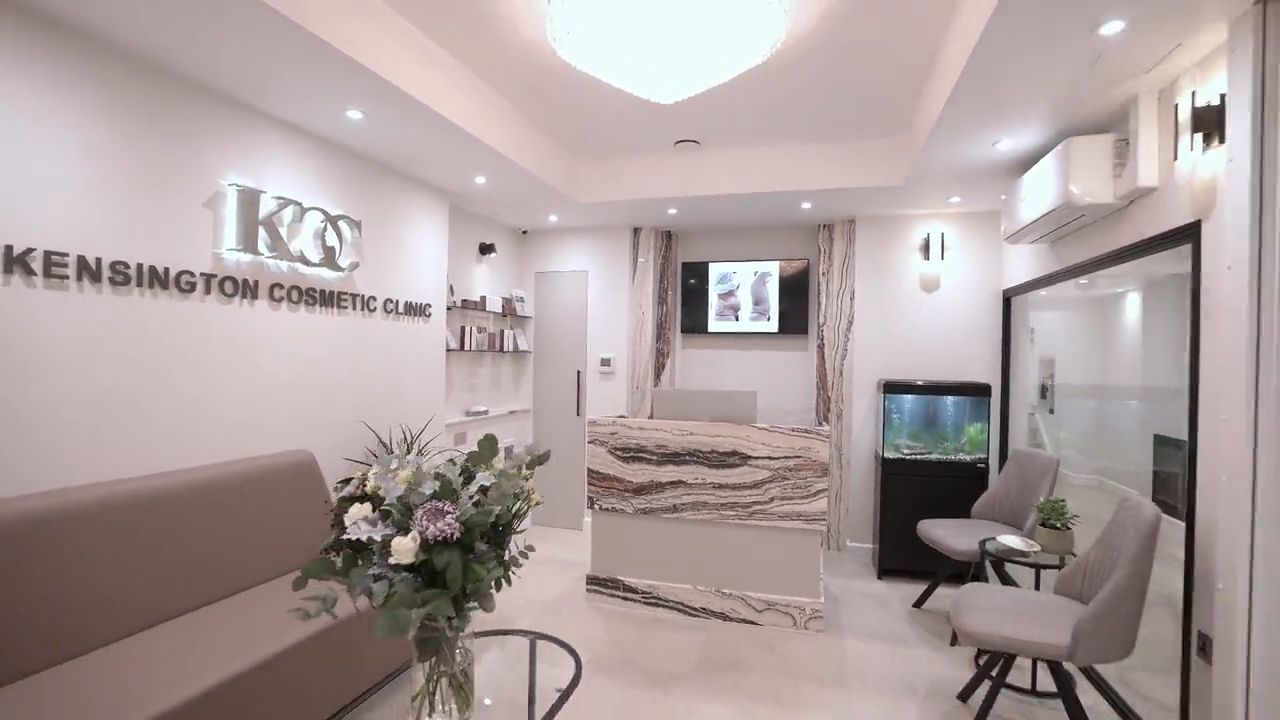
If you are considering buttock contouring, the consultation is the place to talk about recovery in as much detail as the surgery itself. At our clinic in Kensington, consultations are doctor-led. We will ask about your health, your work, your home support and how you would manage the sitting and sleeping restrictions, and we will explain the risks, the recovery and the limits of what fat transfer can achieve, so you can decide without pressure.
Surgery is performed by Dr Hassan Soueid or one of our qualified surgeons. Dr Hassan Soueid is a GMC-registered doctor and the clinic's Founder and Medical Director, and the clinic is registered with the Care Quality Commission. You will receive written aftercare instructions specific to your operation, with clear details of who to contact if you have concerns.
We are introducing HonestFace, our own iPad app for digital consultation forms, consent signing and secure patient records, to make the paperwork side of your journey simpler. Your consent conversation will always take place with a clinician, and you will have time to reflect before committing to surgery.
To arrange a consultation in London, you can book online. Bring your questions about recovery, work and travel, and we will give you a straightforward view of whether buttock contouring, or another option, is right for you.
Frequently asked
Questions we get asked
- How long will I need to avoid sitting after buttock contouring?
- Most patients are asked to avoid sitting directly on the buttocks for a period of weeks, but the exact timeframe depends on your surgeon and the details of your operation. You will be given specific instructions. During this time a shaped cushion under the thighs, short sitting periods and standing or kneeling for tasks can help.
- Can I sleep on my back after buttock contouring?
- Generally not in the early weeks, because lying on your back places sustained pressure on the transferred fat. Most people sleep on their front or alternate between sides, using pillows under the hips, between the knees and behind the back to stay comfortable and avoid rolling over.
- How long do I need to wear a compression garment?
- Garments are usually worn almost continuously for an initial period of several weeks, then for part of the day for a further period, as directed by your surgeon. Garments for buttock contouring are designed to compress the liposuction areas while avoiding excessive pressure on the buttocks. It should feel firm but never cause numbness, tingling or breathing difficulty.
- When can I drive or fly after surgery?
- Driving is not advised until you are off medication that affects alertness, can sit in line with your instructions and can perform an emergency stop safely. Long journeys and flights raise the risk of blood clots after surgery, so long-haul travel soon after the operation is generally discouraged. Discuss any travel plans at consultation before booking.
- When will I see the final shape?
- Not for several months. Early swelling can make the buttocks look larger than they will eventually be, and some transferred fat is naturally reabsorbed. Outcomes vary between individuals and cannot be guaranteed, which is why a realistic discussion of expectations is an important part of your consultation.