

Surgical · 11 min read
Choosing a Breast Surgeon in London: Questions to Ask at Consultation
By Dr Hassan Soueid · GMC 6107783 · Medical Director, Kensington Cosmetic Clinic
Published 8 November 2026
TL;DR. Before breast surgery, ask clear and specific questions about who will operate, where, with what implant or technique, what could go wrong and who looks after you afterwards, then take time to think before you commit.
Why the questions matter more than the brochure
Breast surgery is one of the more commonly requested cosmetic operations in the UK, and London has no shortage of clinics offering it. That choice is useful, but it can also be overwhelming. Websites tend to look alike. It is easy to end up comparing clinics on things that matter less than they seem, such as how polished the reception area is or how quickly a date can be offered.
Other things shape your experience far more. These include the training and registration of the doctor operating on you and the hospital where the operation takes place. They also include how honestly risks are discussed, the plan if something goes wrong, and the quality of follow-up in the months and years afterwards. You cannot judge any of these from marketing. You can only judge them by asking.
This guide is for anyone considering an operation through our breast surgery pathway, or anywhere else. It touches on augmentation, lift, reduction and implant exchange, but its focus is the consultation itself: what to ask, why each question matters and what a good answer tends to sound like. It does not go deep into implant sizing or recovery timelines, because we cover those elsewhere. If you are thinking about volume and profile, our guide to choosing implant size, shape and profile may help alongside this one.
One practical tip: write your questions down and bring them. A good clinic will welcome a list. If anyone seems irritated by careful questions, that tells you something too.
Questions about the doctor: registration, training and accountability
Every doctor practising in the UK must be registered with the General Medical Council and hold a licence to practise. You can check this yourself, for free, on the GMC's online register. Search by name or GMC number. The entry shows whether the doctor is registered and holds a licence to practise. It also shows whether they are on the Specialist Register or the GP Register, and whether there are any conditions or warnings on their practice.
It is worth checking everyone who will be involved in your care, not just the person whose name is on the website. Our Founder and Medical Director, Dr Hassan Soueid, is a GMC-registered doctor, GMC number 6107783. We genuinely encourage you to look that number up rather than take our word for it. The same applies to any other doctor you meet with us.
Registration is the starting point, not the whole picture. Useful questions include:
- What is your training, and how does it relate to the operation I am considering? A straightforward answer explains the doctor's background in plain language, without vague titles.
- How often do you perform this particular procedure? You are not looking for a number to compare. You are looking for a candid description of how routine the operation is in their practice.
- How are complications reviewed? Doctors are expected to reflect on their practice and outcomes as part of revalidation. Ask how the clinic learns from things that do not go to plan.
- Do you hold appropriate indemnity cover? Doctors in the UK must have adequate insurance or indemnity for the work they do, and it is reasonable to ask.
Be cautious of titles that sound impressive but do not correspond to anything you can verify. Words like "expert" have no regulatory meaning. A reassuring sign is a doctor who is comfortable being specific about their registration and training, and who points you towards the GMC register rather than away from it.

Who will actually perform my operation, and who else is involved?
This question sounds obvious, yet it is easy to leave a consultation without a clear answer. In some settings, the person you meet first is a patient coordinator or sales adviser rather than a doctor. In others, you meet one doctor at consultation and a different surgeon on the day.
Neither arrangement is automatically wrong, but you deserve to know in advance. At our clinic in Kensington, consultations are doctor-led. Operations are performed by Dr Hassan Soueid or one of our qualified surgeons. We will tell you who your operating surgeon will be. You should be able to meet them and ask your own questions before the day of surgery, not for the first time in the anaesthetic room.
Questions to ask:
- Who will perform the operation, and will I meet them beforehand?
- Who gives the anaesthetic? Breast surgery is usually carried out under general anaesthetic, which a qualified anaesthetist should give. Ask whether you will have a pre-operative assessment and a chance to discuss your medical history with them.
- Where will the operation take place? Ask for the name of the hospital or surgical facility and whether it is registered with the Care Quality Commission. Providers of regulated activities in England must be registered, and you can check this on the CQC website.
- Will I stay overnight? Some breast operations are day cases and others involve an overnight stay. Ask what is planned for you and why.
- What happens if I need help at night or at the weekend? You should be given a clear contact route and know who answers it.
Kensington Cosmetic Clinic is registered with the Care Quality Commission. That registration is a legal requirement for the services we provide, and you should expect the same wherever you go.
Questions about the procedure itself, implants and alternatives
A good consultation spends as much time on whether surgery is right for you as on how it would be done. Expect your doctor to examine and measure you, take your medical and family history, and explore your goals in some detail. Expect, too, to hear about options other than the one you came in asking about.
If implants are part of the plan, these questions are worth asking:
- Which implant manufacturer do you use, and why? Your surgeon should be able to explain the type of implant, its surface and fill, and why it suits you.
- Will my implants be recorded on the Breast and Cosmetic Implant Registry? The registry records breast implant operations in England so patients can be traced if a safety concern ever arises with a particular product. You will be asked for consent to be included, and it is in your interest to agree.
- Will I receive a record of my implant details? You should leave with the manufacturer, model, size and batch information. Keep it safe, because you may need it years from now.
- Where will the implant sit, and where will the scars be? Placement above or below the muscle and the position of the incision both affect recovery, appearance and future options. Our article on implants under versus over the muscle explores this in more depth.
Implants are not the only route. For some people, a lift alone, a reduction or using their own fat may be more appropriate. Our fat transfer page explains how fat can be moved from one area to another. It gives a more modest and less predictable change in volume, and it does not suit everyone. If you have had children and are considering several changes at once, your doctor may discuss a combined approach such as a mummy makeover, along with the additional risks of longer operations.
Finally, ask about doing nothing, or waiting. A doctor who can explain clearly why you might choose not to have surgery, or not yet, is usually thinking about your interests rather than the diary.

Risks, complications and what happens if something goes wrong
Every operation carries risk, and breast surgery is no exception. You should leave your consultation understanding the general risks of surgery and anaesthesia, as well as those specific to your procedure. These risks are real. Complications can happen even when everything is done carefully.
General surgical risks include:
- bleeding and haematoma (a collection of blood that may need a return to theatre);
- infection and wound healing problems;
- blood clots in the legs or lungs;
- reactions to anaesthesia.
Scars are permanent, and how they settle varies between people.
Implant-specific risks deserve their own conversation. They include:
- Capsular contracture, where the scar tissue that naturally forms around an implant tightens. This can cause firmness, distortion or discomfort and may need further surgery.
- Rupture or leakage, which may cause no symptoms and only show up on imaging.
- Rippling, malposition or asymmetry, which may be visible or felt.
- Changes in nipple or breast sensation, which may be temporary or lasting.
- Breast implant associated anaplastic large cell lymphoma (BIA-ALCL), a rare type of lymphoma linked mainly to textured implants. The MHRA publishes guidance on it, and your surgeon should discuss it openly.
- Systemic symptoms that some people attribute to their implants, sometimes called breast implant illness. This is not fully understood and is still being researched, but you should be told about it.
Breast implants are not lifetime devices. Many people will need further surgery at some point to replace, remove or adjust them, so factor that into your decision now.
Questions to ask about complications:
- What is the plan if I develop a complication in the first few days or weeks? Who would see me, how quickly, and where would any further treatment take place?
- What is your policy on revision surgery, and what would I be expected to cover? Terms vary between providers, so ask for them in writing and read them before you commit.
- What happens if I am simply unhappy with how things look? This is different from a complication, and policies often treat it differently.
- How will consent be taken? Consent should be a process, not a single signature. You should get written information to take away, time to read it and the chance to ask further questions before anything is signed.
A frank discussion of risk does not mean something is likely to go wrong. It is simply what informed consent looks like.
Recovery, aftercare and the long view
Basic recovery from breast surgery usually takes weeks, and final settling takes months, but individual experience varies. Rather than relying on a generic timeline, ask how recovery is likely to look for you, given your job, your home life and the procedure planned.
- How long should I plan to be off work, and when can I drive, lift or exercise? If you have young children, ask specifically about lifting them.
- What support garment or bra will I need, and for how long?
- Who will review me after surgery, and how often? Ask who removes dressings or checks wounds, and whether follow-up appointments are with a doctor or a nurse.
- How long is follow-up included? Some issues appear months later, so it helps to know what happens after the routine reviews end.
It is also worth thinking further ahead:
- Screening: if you have implants, tell the radiographer at any future mammogram. Screening is still possible but may involve adjusted techniques.
- Breastfeeding: breast surgery can affect breastfeeding, particularly reduction and some lift techniques. If you plan a future pregnancy, raise it now.
- Ongoing change: pregnancy, weight change and ageing will all continue to change your breasts after surgery. No operation stops that process.
If you are travelling into London for your operation, ask how follow-up works at a distance. Will you be expected to return to the clinic, or could you be seen locally if a problem arose?
Red flags, and who breast surgery may not suit
If you leave a consultation feeling uneasy, pay attention to that feeling. Warning signs include:
- time-limited discounts, or pressure to pay a deposit on the day;
- not seeing a doctor before you are asked to commit;
- promises about the result, or language suggesting surgery is risk-free;
- vague answers about who will operate, or where;
- little or no discussion of complications, alternatives or aftercare;
- package deals that bundle travel and surgery with no clear plan for follow-up once you are home.
UK professional guidance on cosmetic surgery encourages a cooling-off period between consultation and the decision to proceed. Two weeks is widely regarded as a sensible minimum, and many people benefit from a second consultation before deciding. You should never feel that a date will vanish if you take time to think.
Breast surgery is also not right for everyone. It may not be suitable, or may be better postponed, if you:
- are under 18, as cosmetic breast surgery is generally not offered to under-18s;
- are pregnant, breastfeeding or have recently finished breastfeeding, as breasts often continue to change for some months;
- are actively losing or gaining a significant amount of weight;
- smoke or use nicotine in any form, which raises the risk of wound healing problems;
- have medical conditions or take medicines that increase surgical risk, which your doctor will review;
- feel pressured by someone else to have surgery, or hope it will resolve difficulties in a relationship;
- feel persistent distress about your appearance that goes beyond your breasts, which may need a different kind of support first.
Being told that surgery is not right for you, or not right yet, can be disappointing. It is also a sign that the consultation is doing its job.
Booking your consultation
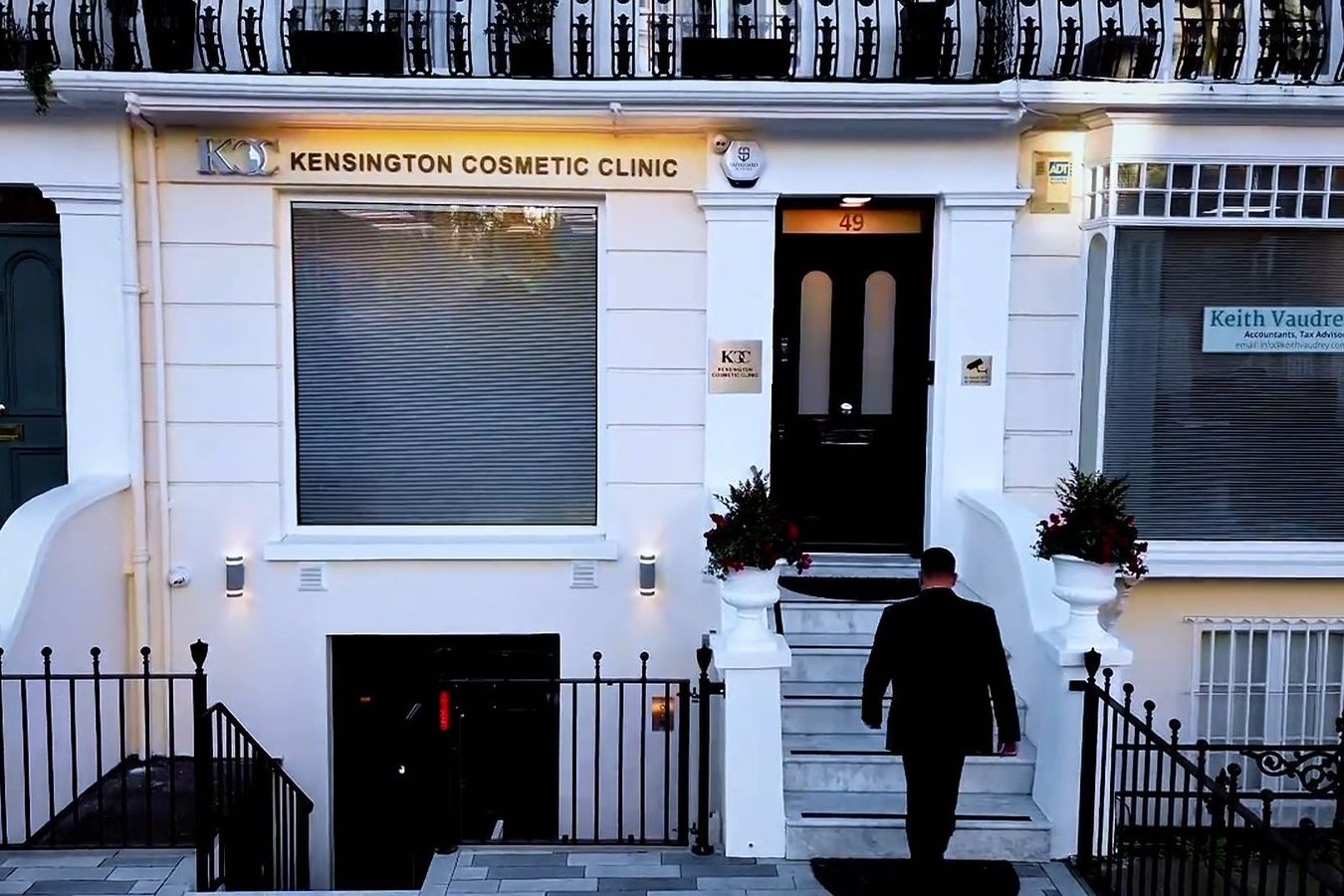
If you are considering breast surgery and would like an unhurried, doctor-led conversation, you are welcome to visit us in Kensington. The clinic is in west London and is easy to reach from across the capital. At your consultation you can ask every question in this guide and be examined. You will also hear an honest view on whether surgery is likely to meet your goals, including when it might not.
We will explain who would perform your operation, where it would take place, what the risks are for you specifically and how aftercare works. You will get written information to take home. We encourage you to take your time, and to book a second appointment if you need one, before deciding anything. We are introducing HonestFace, our own iPad app for digital consultation forms, consent signing and secure patient records. As it is rolled out, you may be asked to complete some paperwork that way.
Bring your list of questions, details of any previous breast surgery or implants, and a summary of your medical history and medicines. When you are ready, you can book a consultation online or contact our Kensington team, and we will find a time that suits you.
Frequently asked
Questions we get asked
- Can I check a doctor's registration before my breast surgery consultation?
- Yes. The General Medical Council's online register is free to search by name or GMC number. It shows whether a doctor is registered and licensed to practise and whether they are on the Specialist Register or GP Register. It also lists any conditions on their practice. Dr Hassan Soueid's GMC number is 6107783, and we encourage patients to check it.
- Will I meet the person performing my operation before the day of surgery?
- You should. At our clinic, consultations are doctor-led, and operations are performed by Dr Hassan Soueid or one of our qualified surgeons. We will tell you who your operating surgeon will be, and you will have the chance to meet them and ask questions before your surgery date.
- How long should I wait between consultation and breast surgery?
- UK professional guidance encourages a cooling-off period, and two weeks is widely regarded as a sensible minimum. Many people find a second consultation helpful before deciding. You should never feel pressured to book or pay a deposit on the day.
- Do breast implants need to be replaced?
- Breast implants are not lifetime devices, and many people will need further surgery at some point to replace, remove or adjust them. Your surgeon should discuss this, along with risks such as capsular contracture, rupture and BIA-ALCL, before you give consent.
- What should I bring to a breast surgery consultation?
- Bring a written list of questions and details of any previous breast surgery, including implant records if you have them. Also bring a summary of your medical history and any medicines you take. You may also find it helpful to bring someone you trust for support.