

Surgical · 11 min read
Liposuction Risks and Safety in London: What a Surgeon Checks First
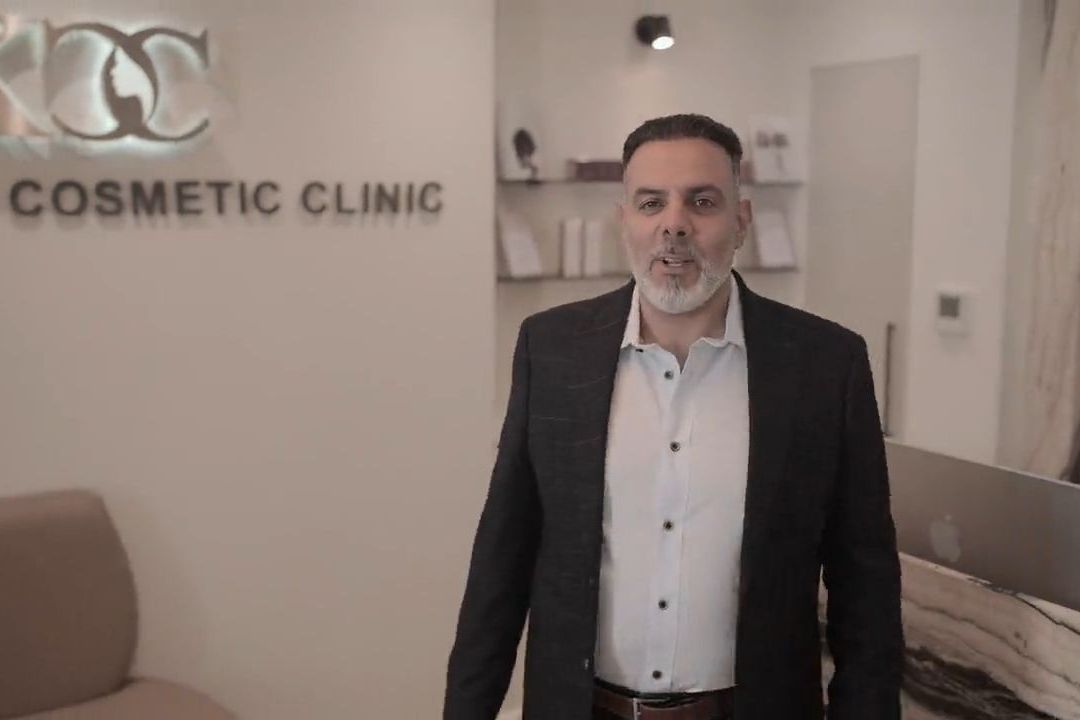
By Dr Hassan Soueid · GMC 6107783 · Medical Director, Kensington Cosmetic Clinic
Published 14 November 2026
TL;DR. Liposuction is real surgery with real risks. Much of the work that protects your safety happens before the operation, in a careful medical assessment that sometimes ends with the honest advice not to proceed.
Most articles about liposuction focus on what it can achieve. This one covers what can go wrong, how those risks might apply to you personally, and the checks a responsible surgical team carries out before anyone books a theatre date. At our clinic in Kensington, London, we think patients deserve to understand the risks as clearly as the potential benefits, because an informed decision is a safer one. For the broader picture of what the procedure can and cannot change, our guide on what liposuction can and cannot do covers that ground. This article stays focused on safety.
Why liposuction safety starts long before theatre
Liposuction is often described as a minor or lunchtime procedure. It is not. A surgeon passes a cannula through small incisions to remove fat from beneath the skin, usually after infiltrating a large volume of fluid that contains local anaesthetic and a medicine that constricts blood vessels. The fluid, the fat removed and the body's response to surgical trauma all have consequences. Most people recover without serious problems, but the margin for error narrows quickly when the wrong patient is matched with the wrong plan.
That is why we treat the consultation as a clinical assessment, not a sales conversation. The questions a doctor asks, the examination they carry out and the tests they may request are all designed to answer one central question: is this operation, in this person, at this time, a reasonable risk? Sometimes the answer is yes. Sometimes it is not yet. Occasionally it is no. All three are legitimate outcomes of a good consultation.
Our liposuction procedures are performed by Dr Hassan Soueid or one of our qualified surgeons, and a doctor reviews every patient's suitability before surgery is confirmed. The clinic is registered with the Care Quality Commission, which regulates independent healthcare providers in England. Registration is a baseline expectation rather than a reason on its own to choose any provider, but it is a fair first question to ask anywhere.
Your medical history: the first thing a surgeon looks at
Before anyone looks at the areas you want treated, a surgeon needs to understand your general health. Some conditions raise the risk of complications during anaesthesia or recovery. Others affect healing in ways that matter for the final contour.
Areas we explore in detail include:
- Heart and lung health. Conditions affecting the heart, blood pressure or breathing can change how your body copes with anaesthesia and fluid shifts.
- Diabetes and other metabolic conditions. Poorly controlled blood sugar slows wound healing and raises the risk of infection.
- Bleeding and clotting disorders. A personal or family history of blood clots, or of unusual bleeding, needs to be identified early.
- Previous surgery in the treatment area. Scar tissue from caesarean sections, hernia repairs or earlier liposuction changes how the tissue behaves and can make the procedure technically harder.
- Hernias and abdominal wall weakness. An undiagnosed hernia is a genuine hazard during abdominal liposuction. The examination checks for one carefully, and imaging may be requested if there is any doubt.
- Weight history. A large recent weight change, or plans to lose a lot of weight, affect both safety and how lasting any change is likely to be.
Medications and supplements matter just as much. Several can influence bleeding or clotting, including:
- blood thinners
- some anti-inflammatory painkillers
- certain hormonal treatments, including some contraceptive pills and hormone replacement therapy
- supplements such as fish oil, vitamin E, garlic and ginkgo
Never stop a prescribed medicine on your own. Any change should be agreed with the doctor who prescribed it and with the surgical team. You also need to discuss recreational drugs, alcohol and nicotine use openly, and that includes vaping and nicotine replacement. Nicotine narrows small blood vessels and impairs healing, so we will usually ask you to stop well before surgery.
Depending on your age and history, the team may request blood tests, for example to check for anaemia, kidney function or blood sugar control. In some cases we may also ask for a letter from your GP or another doctor involved in your care. This is not bureaucracy. It is how hidden risks are found before they become problems on the operating table.
Blood clots, anaesthesia and fluid: the serious risks explained
Serious complications after liposuction are uncommon, but they are the reason the pre-operative assessment is so thorough. You should understand them before you sign any consent form.
Blood clots
Deep vein thrombosis is a clot in a deep vein, usually in the leg. A pulmonary embolism happens when part of a clot travels to the lungs. Both are among the most significant risks of any surgery. The risk rises with:
- longer operations and general anaesthesia
- reduced mobility afterwards
- obesity and smoking
- certain hormonal medicines
- a personal or family history of clots, or an inherited clotting tendency
Every patient should have a formal clot risk assessment. Depending on the result, prevention may include compression stockings, calf compression devices during surgery, early walking and, for some patients, injections of a blood-thinning medicine for a period after the operation. Long-haul travel close to surgery adds risk. This matters if you are flying in to London for treatment or planning a holiday soon afterwards.
Anaesthetic and local anaesthetic safety
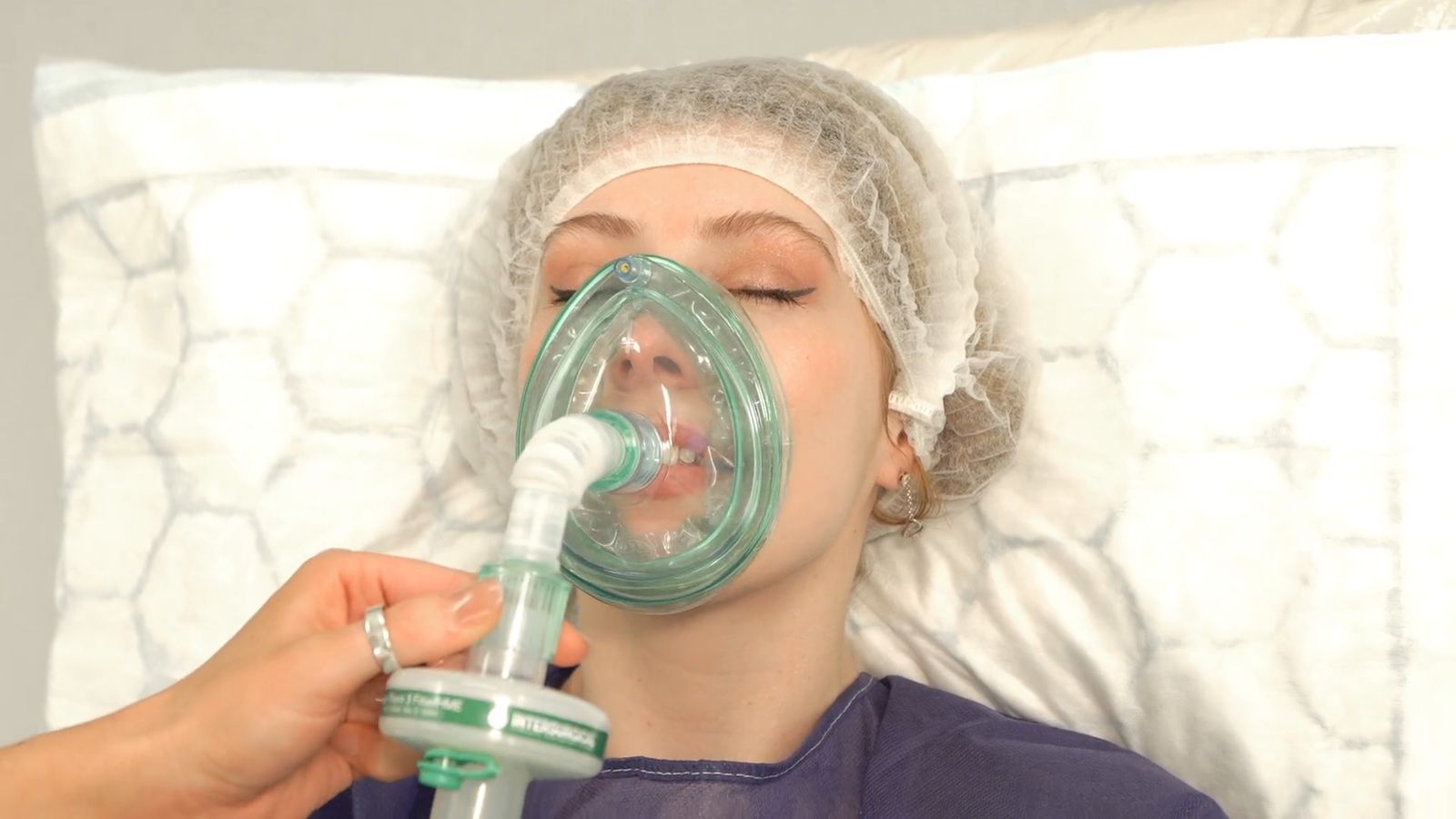
Liposuction can be carried out under local anaesthetic, sedation or general anaesthetic, depending on the areas treated, the volume and your health. Each option has its own considerations. The fluid infiltrated into the tissue contains local anaesthetic, and each patient has a maximum safe dose based on body weight. Exceeding it can cause toxicity that affects the heart and nervous system. This risk is managed through careful calculation, monitoring and sensible limits on how much is treated in a single session. Where general anaesthesia is used, a qualified anaesthetist should deliver it in a suitably equipped facility.
Fluid balance and blood loss
Removing fat and introducing fluid both shift the body's fluid balance. Larger procedures need careful monitoring, because too much or too little fluid can strain the heart and kidneys. Blood loss is usually modest with modern techniques, but it increases with the volume removed. This is one reason sensible limits exist.
Rare but serious events
Fat embolism, where fat droplets enter the bloodstream, is rare but can be life-threatening. Accidental injury to deeper structures, including the abdominal wall or internal organs, is also rare but recognised. It is more likely where there is an undetected hernia, previous abdominal surgery or poor technique. Serious infection is uncommon but possible. We name these risks not to frighten anyone, but because any clinic that tells you liposuction carries no risk is not giving you the full picture.
The more common problems: contour, skin, numbness and healing
Alongside the rare serious risks are more common issues. These are the problems patients are most likely to encounter, and they affect both how recovery goes and how you feel about the outcome, so they deserve equal attention.
- Contour irregularities. Dimpling, ripples, dents or uneven areas can occur, particularly where skin quality is poorer or a lot of fat is removed. Some settle as swelling resolves over several months. Others may need further treatment.
- Asymmetry. No two sides of a body are identical before surgery, and they will not be identical afterwards. Your surgeon should point out and document any existing asymmetry before the operation.
- Loose skin. Liposuction removes fat, not skin. If your skin has lost elasticity, removing fat can leave it looking looser. Judging this is one of a surgeon's most important decisions, and it is why some patients are better served by a tummy tuck or another skin-removing procedure.
- Seroma. Fluid can collect under the skin and may need draining with a needle, sometimes more than once.
- Altered sensation. Numbness, tingling or heightened sensitivity in the treated area is common in the early months. It usually improves gradually but can occasionally persist.
- Bruising, swelling and firmness. These are expected. Swelling can take months to settle fully, so it is too early to judge the outcome in the first weeks.
- Skin changes and scarring. The small incisions usually heal as minor scars, but some people develop raised or darker scars. Pigmentation changes over treated areas can also occur.
In this category, much depends on what happens after surgery as well as during it. Wear compression garments as advised, walk early, attend follow-up appointments and report any concerns promptly. Our guide to liposuction recovery, swelling and garments covers that stage in detail.
How much fat, and how many areas: why limits matter
The extent of surgery is one of the clearest links between liposuction and complications. Removing larger volumes, treating many areas at once and extending operating time all increase the physical stress on the body. They also raise the risk of clots, fluid imbalance and anaesthetic complications.
Responsible planning therefore sets limits that are personal to you. They should be based on your weight, health, skin and the areas involved, not on what you would like to achieve in one go. Sometimes the safer plan is to stage treatment across two separate operations, with a full recovery in between. That can be frustrating to hear, but it reflects caution rather than reluctance.
Circumferential procedures such as 360 liposuction, which treat the abdomen, flanks and back together, need particularly careful assessment. They cover a larger surface area and involve more time on the operating table. The same applies when liposuction is combined with other operations, such as a tummy tuck or breast surgery. Combining procedures can mean one anaesthetic and one recovery period, but it also means a longer operation and a higher cumulative risk. A good surgeon will explain that trade-off plainly and will not combine procedures simply because a patient asks.
If the fat removed is to be transferred elsewhere, for example to the buttocks or breasts, there are further safety considerations around where and how it is placed. Discuss these in full at consultation, because they change both the risk profile and the recovery.
Who liposuction is not for
Part of a surgeon's job is to identify people for whom liposuction is unlikely to help, or is likely to cause harm. Being turned down, or advised to wait, is not a judgement on you. It is a safety decision.
Liposuction is generally not appropriate if you:
- want to lose weight, rather than change the shape of specific, stubborn areas while at a stable weight;
- have a body mass index or overall health profile that raises surgical risk to an unreasonable level (BMI is one factor among many, not a single cut-off);
- have medical conditions that are not well controlled, including heart, lung, clotting or blood sugar problems;
- smoke or use nicotine and cannot stop for the period advised;
- are pregnant, breastfeeding or planning a pregnancy in the near future;
- have significant loose skin that liposuction alone would make more noticeable;
- have expectations surgery cannot meet, such as a specific look or a promised outcome;
- are under significant emotional pressure, or hope surgery will resolve distress that has deeper roots.
That last point deserves care. Some people experience intense, persistent preoccupation with perceived flaws in their appearance that others barely notice. This is a condition known as body dysmorphic disorder. Surgery rarely relieves it and can make it worse. GMC guidance requires doctors to consider a patient's psychological wellbeing as well as their physical suitability. You may therefore be asked about your motivations, how long you have been thinking about surgery and how your concerns affect daily life. If support would help more than surgery, we will say so, and we may suggest speaking with your GP first.
The GMC also expects doctors to give patients time to reflect. There should be a cooling-off period between consultation and any decision to proceed. You should never be encouraged to book on the day or offered time-limited incentives to commit.
Questions to ask any London clinic about liposuction safety
Whether you consult with us or elsewhere in London, these are reasonable questions to ask. A good clinic should answer all of them clearly and without hesitation.
- Who will actually perform my operation? Ask for the surgeon's name and check their registration on the GMC's online register, which also shows whether a doctor is on the Specialist Register. Be wary if you do not meet the person operating before the day of surgery.
- Who assesses me before surgery? The consultation that decides whether surgery goes ahead should be with a doctor, not a sales adviser.
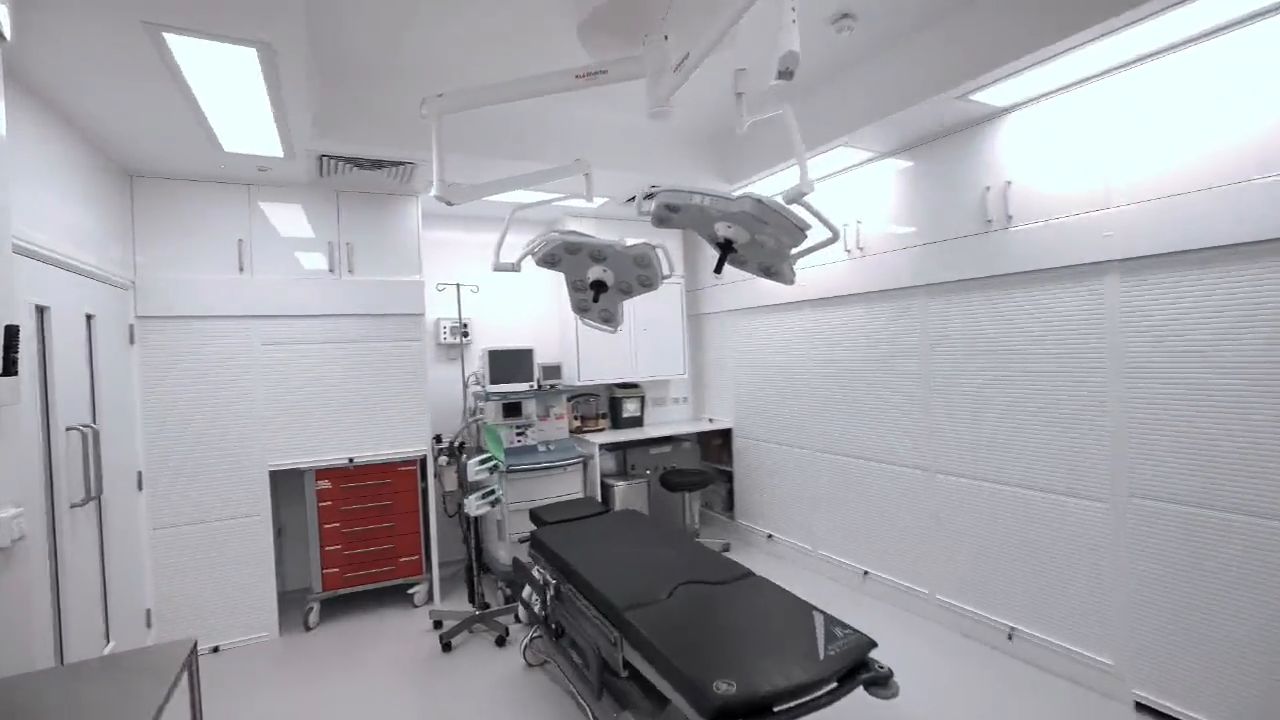
- Where will the surgery take place, and what anaesthesia will be used? Ask who delivers sedation or general anaesthesia and how you will be monitored.
- How is my clot risk assessed, and what prevention will I have? You should hear about a formal assessment, not a general reassurance.
- What is the plan if something goes wrong? Ask about emergency arrangements, transfer to hospital if needed, and who to contact out of hours after discharge.
- What aftercare and follow-up are included? Ask how many appointments there are, who sees you, and what happens if you need a seroma drained or want to discuss a revision.
- Is the provider registered with the Care Quality Commission?
- Will I have time to think before committing? Any pressure to book quickly is a reason to pause.
You can read more about Dr Hassan Soueid, a GMC-registered doctor and the clinic's Founder and Medical Director, on our Dr Hassan page. We encourage anyone considering surgery to look up every doctor involved in their care, wherever they are treated.
Booking your consultation
A liposuction consultation at our Kensington clinic is doctor-led and built around the checks described in this article. You can expect:
- a detailed medical history and a review of your medications and supplements
- a physical examination of the areas of concern, including your skin quality and a check for hernias
- a frank discussion of the risks and the recovery
- an honest view on whether liposuction, a different procedure or no procedure at all is the right fit
If you need blood tests, a GP letter or further investigations, we will explain why.
We are introducing HonestFace, our own iPad app for digital consultation forms, consent signing and secure patient records. As it is introduced, it is intended to make paperwork more straightforward. The conversation with your doctor remains the heart of the process, and you will always have time to read and question every part of the consent before signing.
Nothing is decided at a first appointment, and you are welcome to bring a list of questions, including the ones above. If you would like to talk through your health, your goals and the risks in person, you can book a consultation at our clinic in Kensington, London.
Frequently asked
Questions we get asked
- How risky is liposuction?
- Liposuction is surgery, and like any surgery it carries risks. The more common ones include bruising, swelling, contour irregularities, seroma, altered sensation and scarring. Serious complications such as blood clots, local anaesthetic toxicity, fat embolism or injury to deeper structures are uncommon but recognised. Your personal level of risk depends on your health, the areas treated, the volume of fat removed and the type of anaesthesia, which is why a thorough doctor-led assessment comes first.
- What checks does a surgeon carry out before liposuction?
- Expect a detailed review of your medical history, medications, supplements, smoking and alcohol use, and any previous surgery. You will also have a physical examination that assesses skin quality and checks for hernias, plus a formal blood clot risk assessment. Depending on your age and health, the team may request blood tests, a letter from your GP or other investigations before surgery is confirmed.
- Can I have liposuction if I take the contraceptive pill or HRT?
- Some hormonal medicines, including certain contraceptive pills and hormone replacement therapy, can increase the risk of blood clots. This does not automatically rule out surgery, but it must be discussed at consultation. Any change to a prescribed medicine should be agreed with the prescribing doctor and the surgical team. Never stop a medicine on your own.
- Why might a doctor advise against liposuction?
- Common reasons include health conditions that are not well controlled, a health profile that makes surgical risk unreasonable, smoking or nicotine use that cannot be stopped, significant loose skin, pregnancy plans, or expectations that surgery cannot meet. A doctor may also advise against surgery if there are signs that emotional distress or body image concerns would be better supported in another way.
- Is liposuction under local anaesthetic safer than under general anaesthetic?
- Neither option is automatically safer. Local anaesthetic avoids some of the risks of general anaesthesia, but there is a maximum safe dose of local anaesthetic, which limits how much can be treated in one session. General anaesthesia allows more extensive treatment but brings its own considerations, including a higher clot risk with longer operations. The right choice depends on your health, the areas involved and the plan agreed at consultation.