

Surgical · 11 min read
What Is the Right Age for a Facelift? Candidacy Advice in London
By Dr Hassan Soueid · GMC 6107783 · Medical Director, Kensington Cosmetic Clinic
Published 9 November 2026
TL;DR. There is no single right age for a facelift. Whether surgery makes sense depends on several things: how much laxity you have in your lower face and neck, your skin quality, your general health and what you realistically hope to change. An honest, doctor-led consultation is the only reliable way to decide whether a facelift, a smaller procedure or simply waiting is the sensible choice for you.
Why 'what age?' is the wrong first question
'Am I too young for a facelift?' and 'Am I too old for a facelift?' are two of the most common questions we hear at our Kensington clinic in London. They often come from people who have been weighing the idea quietly for several years. They are understandable questions. Age is easy to measure, and it feels like a sensible place to start. In practice, though, the number on your passport tells a doctor surprisingly little about whether a facelift is appropriate for you.
Two people of the same age can have very different faces. Many factors influence how the tissues of the face and neck change over time:
- genetics and bone structure
- sun exposure and smoking history
- weight changes and hormonal shifts
- general health
One person in their mid-forties may have noticeable jowling and loose skin under the jaw. Another in their early sixties may have relatively firm tissues and be concerned mainly with fine lines and skin texture, which a facelift does not address. Treating age as the deciding factor risks recommending surgery to people who would gain little from it. It also risks talking others out of a procedure that could genuinely suit them.
So rather than starting with a birthday, a responsible assessment starts with three questions:
- What exactly is bothering you?
- What is causing it anatomically?
- Is surgery a proportionate answer, given your health, your circumstances and the risks involved?
The rest of this guide works through those questions honestly, including the situations where the right answer is to wait or to choose something else entirely.
What a facelift addresses, and what it does not
It helps to understand what a facelift is designed to do, because many disappointments come from a mismatch between the problem and the procedure. A facelift primarily addresses descent and laxity in the lower face and neck. That typically means:
- a jawline softening into jowls
- deepening folds running down from the corners of the mouth
- loose skin and banding under the chin
Most modern techniques work on the deeper supporting layer of the face as well as the skin, repositioning tissue rather than simply pulling the surface tight. If you would like to understand the technical differences between approaches, our article on SMAS versus deep plane facelift techniques covers that in detail.
Facial ageing, however, happens in several layers at once:
- Skin loses elasticity and collagen and accumulates sun damage. This shows as fine lines, uneven pigment and a crepey texture.
- Fat compartments in the cheeks, temples and around the eyes change in volume and position.
- Bone gradually remodels, and the ligaments that anchor the soft tissues loosen.
- Expression muscles keep folding the skin in the same places, year after year.
A facelift addresses only some of these changes. It does not change skin texture, remove pigmentation, soften fine lines around the mouth or treat hollowing under the eyes. It does not stop the ageing process either. Your face continues to age after surgery, simply from a different starting point.
This is why many people considering a facelift benefit most from an honest conversation that separates their concerns into three groups: laxity, volume and the skin surface. Volume loss may be better approached with fat transfer or dermal fillers. Surface changes may be better approached with skin resurfacing. These can be used either instead of surgery or alongside it, depending on your face and priorities.
Signs you may be a candidate, whatever your age
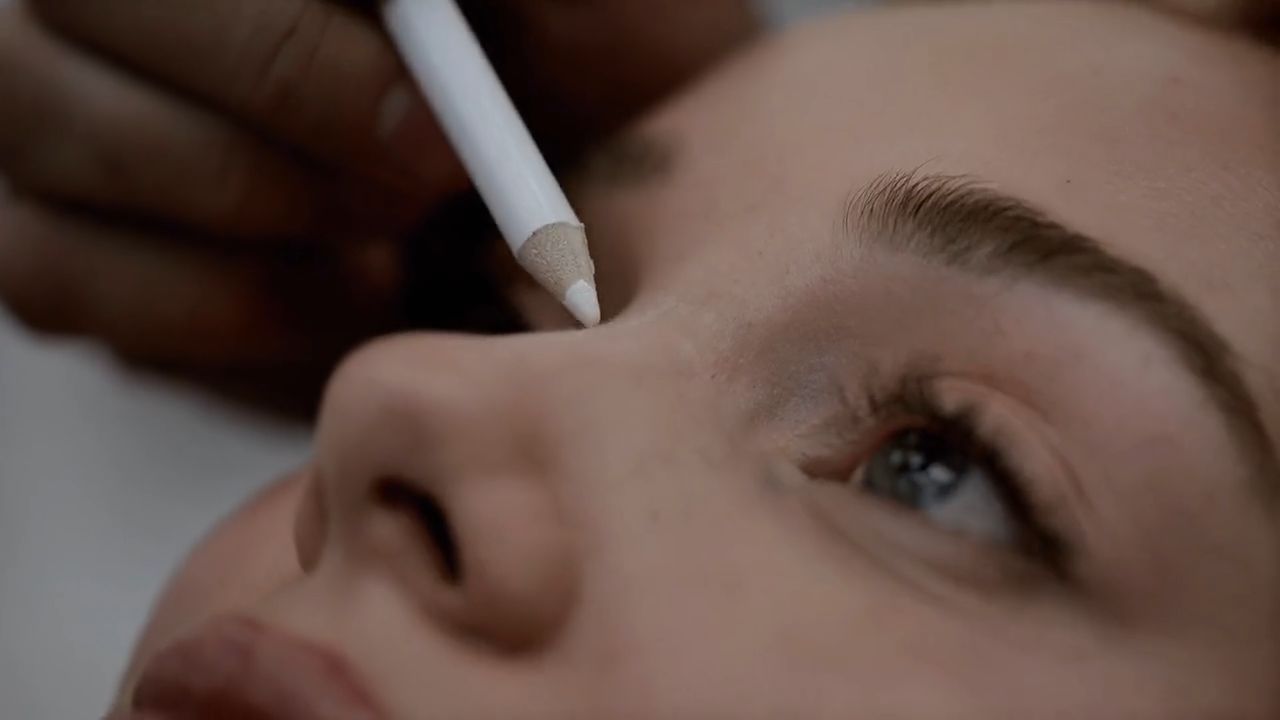
Rather than an age bracket, these are the features a doctor will usually look for when considering whether a facelift is likely to be a reasonable option. None of them on its own makes someone a candidate. Equally, having all of them does not mean surgery is the right choice for you. They are a starting point for discussion.
- Visible laxity along the jawline and neck. Jowls that blur the line of the jaw, and loose skin under the chin that has not responded to non-surgical approaches, are the classic reasons people consider a facelift.
- Tissue that repositions well. During the examination, a doctor may gently support the tissues of the cheek and jaw to see how they move. If that gentle support addresses most of what bothers you, a lift may be relevant. If it does not, the concern probably lies elsewhere.
- Reasonable skin quality. Skin that still has some elasticity tends to adapt better after surgery. Very thin or heavily sun-damaged skin is not necessarily a barrier, but expectations and healing need careful consideration.
- Stable weight. If you are planning significant weight loss, it is usually sensible to reach a stable weight first. Further change after surgery can affect how the face and neck look.
- Good general health. A facelift is a significant operation. Well-controlled medical conditions do not automatically rule you out, but they need thorough assessment.
- A clear, personal motivation. People who can describe precisely what bothers them, and who want the change for themselves rather than to please someone else, tend to be better placed to make a sound decision.
You will notice that age is not on this list. It influences several of these factors, but it does not decide any of them.
Considering a facelift in your forties
Interest in facelifts at a younger age has grown. Partly this is because people are more aware of surgical options, and partly because some are reluctant to rely indefinitely on repeated injectable treatments. A facelift in your forties is not inherently wrong, but it involves trade-offs worth thinking through carefully.
The potential advantages are real:
- Younger tissues often retain better elasticity.
- Healing may be more straightforward in people who are otherwise healthy.
- The changes being addressed are usually more modest, which can mean a more limited operation.
Some people in this age group find that a more targeted procedure addresses early jowling without the extent of a full facelift. Our article comparing a mini facelift and a full facelift explains how those options differ.
The downsides are equally real:
- You are accepting surgical risk, scarring and recovery time for a change that may be relatively subtle.
- Because the face keeps ageing, you may face decisions about further treatment later in life.
- In the forties, many concerns that feel like 'sagging' are actually driven by volume loss, tiredness around the eyes or skin changes. A facelift will not touch any of these.
For example, heavy or hooded upper eyelids are often the main reason someone looks tired, and an upper blepharoplasty may be more relevant than any lift of the lower face.
Some people ask whether having a facelift earlier helps them 'stay ahead' of ageing. Nobody can honestly promise that. Surgery addresses the changes present at the time; it does not slow the underlying biology. Operating earlier also means accepting the risks earlier, and potentially more than once over a lifetime. If the main appeal is preventing something that has not happened yet, that is usually a reason to pause rather than proceed.
For many people in their late thirties and forties, the honest advice is to give non-surgical and less invasive options a fair trial first. Surgery can be kept in reserve until there is enough laxity to justify it. For others, an earlier operation can be reasonable, particularly where there is a strong family tendency to early jowling or significant laxity after weight loss. The decision should rest on examination, not on a target age.
Your sixties, seventies and beyond: health comes first
At the other end of the spectrum, many people assume they have left it too late. There is no fixed upper age limit for a facelift. What matters most is physiological health rather than chronological age, and many people in their sixties and seventies are fit, active and potentially well suited to surgery.
That said, the assessment becomes more detailed with time. Your doctor will want to understand:
- your heart and lung health
- your blood pressure
- how well any diabetes is controlled
- any history of clotting problems
- every medication and supplement you take
Blood thinners may need to be managed with input from your GP or another prescribing doctor. Raised blood pressure needs particular attention, because it is associated with an increased risk of a haematoma (bleeding under the skin) after facelift surgery. It needs to be well controlled beforehand.
Skin in later life is often thinner and may carry more sun damage, which can affect healing and how the skin settles. Recovery can take longer, and bruising and swelling may be more pronounced or slower to fade. Practical support matters too. You will need someone with you in the first days after surgery, and you should not be anyone else's main carer while you recover.
Some patients ask about combining a facelift with eyelid surgery or neck work in one session. Combining procedures can mean one recovery period rather than two. It also lengthens the operation and the time under anaesthetic, which has to be weighed against your overall health. There is no universal answer, and it is a sensible question to raise at consultation.
Expectations deserve honest discussion at any age, and especially here. Where laxity in the neck is more advanced, a facelift may need to be combined with neck surgery. Even then, the aim is improvement in specific areas, not a return to an earlier decade.
Who a facelift is not for, or not yet
An honest candidacy discussion should be as clear about who should not proceed as about who might. A facelift may not be appropriate, or may need to be postponed, if any of the following apply.
- You smoke or use nicotine. Nicotine in any form, including vapes, patches and gum, reduces blood flow to the skin. It significantly increases the risk of wound healing problems and skin loss after facelift surgery. You will be asked to stop well before and after the operation, and surgery may not go ahead if you continue.
- Your main concern is skin texture, lines or pigmentation. Surgery is the wrong tool for these. Resurfacing, peels or other skin treatments are more relevant.
- Your concerns are mainly about volume. Hollow cheeks or temples are usually better addressed with volume replacement than with lifting.
- You have uncontrolled medical conditions. Poorly controlled blood pressure, diabetes or other conditions should be stabilised before surgery is even considered.
- You are in the middle of a major life upheaval. Bereavement, divorce or significant stress are not automatic reasons to refuse surgery. They are, however, times to be cautious about making a major, irreversible decision, and waiting until life feels more settled is often wiser.
- You want a different face or a specific look. A facelift works with your existing features. It cannot reproduce someone else's appearance or a filtered image.
- You are preoccupied with a perceived flaw. If concern about your appearance is causing significant distress or affecting daily life, surgery may not help. Responsible clinics screen for body dysmorphic disorder and may suggest psychological support rather than an operation.
Being told 'not yet' or 'not this procedure' is not a rejection. It is part of a doctor's duty to act in your interests, and it often leads to a more suitable plan.
What a good consultation should cover
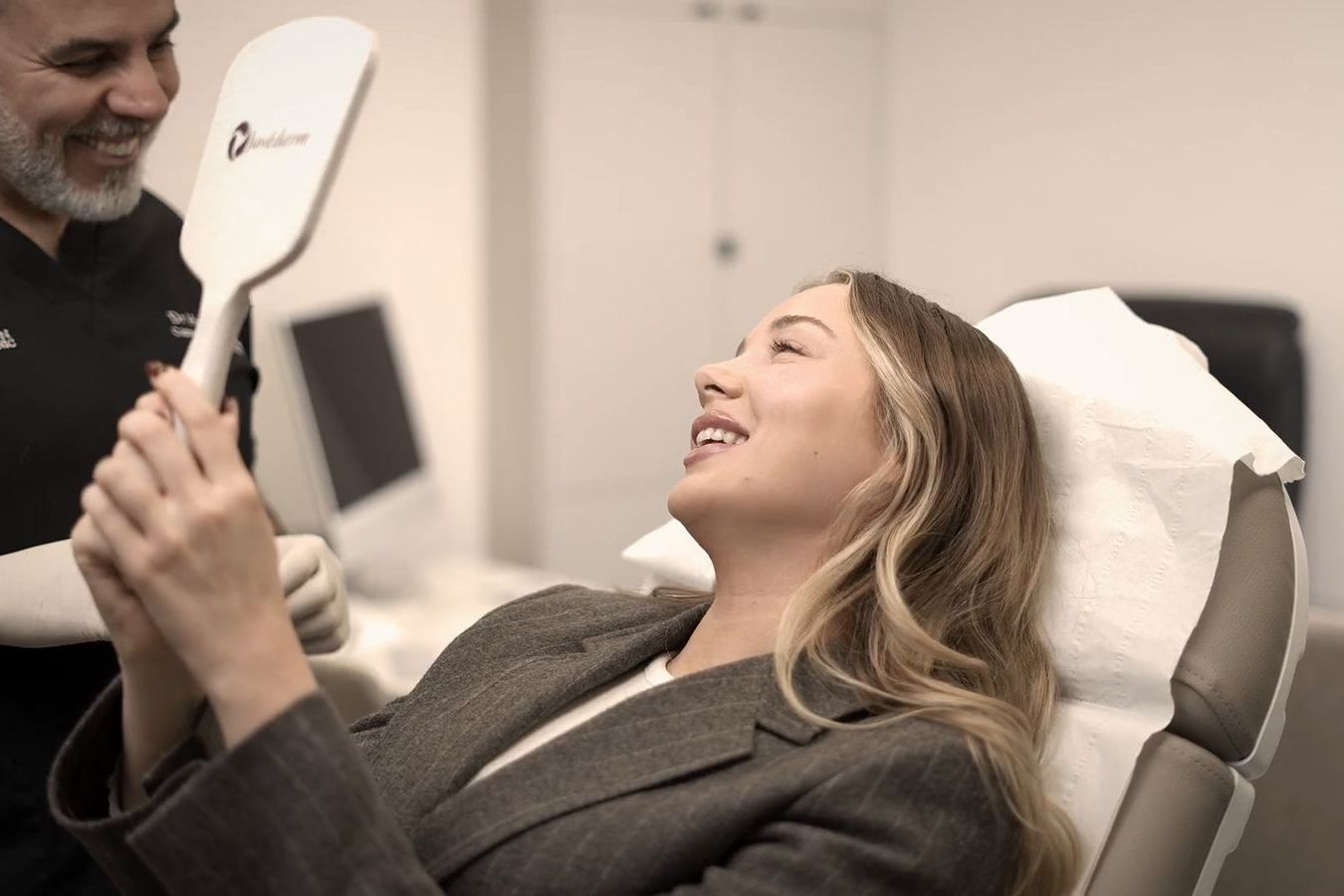
Whatever your age, the consultation is where candidacy is really decided. At our clinic in Kensington, west London, consultations are doctor-led. Operations are performed by Dr Hassan Soueid or one of our qualified surgeons. Dr Hassan is the clinic's Founder and Medical Director and is registered with the General Medical Council (GMC 6107783).
A thorough facelift consultation should include:
- a detailed discussion of what concerns you, and why you are considering surgery now
- a full medical history, including medications, supplements, smoking and any previous surgical or injectable treatments
- a careful examination of your face, neck, skin quality and how your tissues move
- an honest explanation of which concerns a facelift may address and which it will not
- alternatives, including less invasive options and the option of doing nothing at all
- a clear explanation of the risks, including bleeding, haematoma, infection, scarring, altered sensation, nerve injury affecting facial movement, asymmetry, hair loss around incisions and the possibility of further surgery
- what recovery involves, including time off work, social downtime and aftercare
You should leave with time to think, and you should never feel pressured to book on the day. It is perfectly reasonable to return for a second consultation with further questions. Bring a written list, and bring a trusted friend or family member if that helps you think things through.
We are also introducing HonestFace, our own iPad app for digital consultation forms, consent signing and secure patient records. As it is introduced, it is intended to make the paperwork side of the process simpler to complete and easier to keep track of. That leaves more of your appointment for the conversation that matters: your face, your health and your questions.
Booking your consultation
If you have been wondering whether you are too young, too old or simply at the right point to consider a facelift, the most useful next step is a proper assessment rather than another evening of online searching. A consultation at our Kensington clinic in west London is a chance to:
- understand what is actually happening in your face and neck
- hear which options are realistic for you, and which are not
- ask every question you have about risks, recovery and alternatives
Kensington Cosmetic Clinic is registered with the Care Quality Commission, and we see patients from across London and further afield. Consultations are doctor-led. If we think a facelift is not the right choice for you, we will say so, whether the better route is a smaller procedure, a non-surgical approach or simply waiting. It is entirely normal to leave a first appointment without making a decision, and we encourage you to take the time you need.
When you are ready, you can book a consultation online at a time that suits you. Before you come, it helps to note down:
- what bothers you most when you look in the mirror
- any medical conditions and current medications
- any previous treatments you have had
That gives us a clear starting point for an honest conversation about whether, and when, a facelift makes sense for you.
Frequently asked
Questions we get asked
- Is there a minimum age for a facelift?
- We only treat adults, and in practice a facelift is rarely relevant until there is genuine laxity in the lower face and neck. Age alone is not the deciding factor. A doctor will look at your anatomy, skin quality, health and motivation, and will often suggest less invasive options first if the changes are mild.
- Am I too old for a facelift?
- There is no fixed upper age limit. Physiological health matters more than the number of years. People in their sixties and seventies may be suitable if their heart, lung and blood pressure health and other medical conditions are well controlled. Recovery can take longer, and expectations should be discussed openly at consultation.
- Can non-surgical treatments delay the need for a facelift?
- For some people with early changes, treatments such as dermal fillers, skin resurfacing or anti-wrinkle treatment may address specific concerns for a time. They cannot replicate what surgery does for significant laxity, and nobody can promise they will postpone surgery. A consultation can help you decide which approach fits your concerns.
- Does smoking or vaping affect whether I can have a facelift?
- Yes. Nicotine in any form, including vapes, patches and gum, reduces blood flow to the skin and significantly increases the risk of healing problems and skin loss after a facelift. You will be asked to stop well before and after surgery, and the operation may not go ahead if you continue.
- Will a facelift improve lines around my mouth or under my eyes?
- Generally not. A facelift mainly addresses laxity along the jawline and neck. Fine lines, skin texture, pigmentation and hollowing under the eyes usually need different approaches, such as skin treatments, volume replacement or eyelid surgery. These may be used instead of, or alongside, a facelift depending on your assessment.