

Surgical · 11 min read
Tummy Tuck Recovery in London: A Week by Week Guide
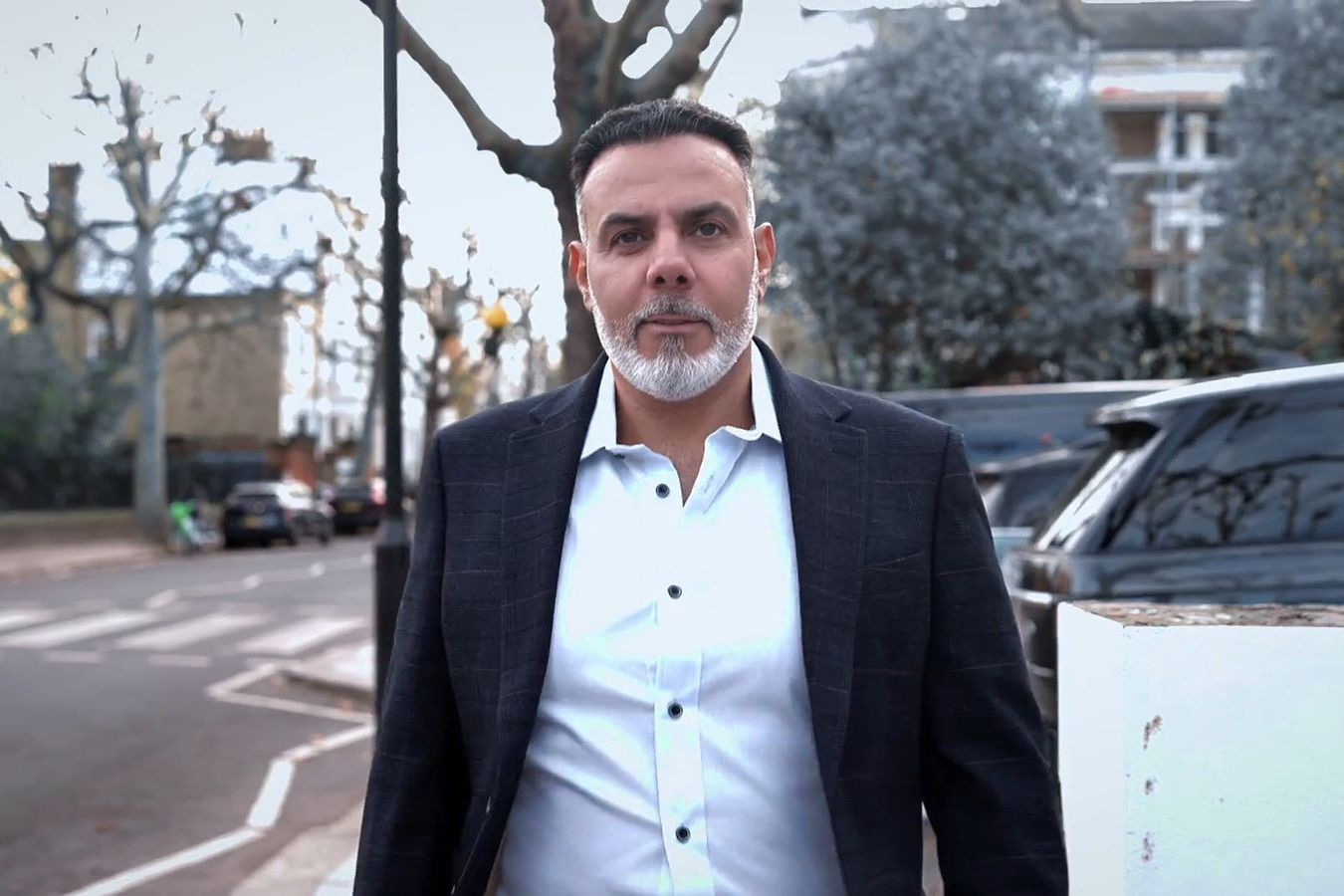
By Dr Hassan Soueid · GMC 6107783 · Medical Director, Kensington Cosmetic Clinic
Published 1 November 2026
TL;DR. Tummy tuck recovery is gradual rather than quick. Most patients typically need around two weeks of genuine rest and around six weeks before heavier activity, and swelling and scars take many months to settle, so planning your recovery matters as much as planning the operation.
Most of the questions we hear about abdominoplasty in consultation are not really about the operation itself. They are about the weeks afterwards. Patients want to know how much pain to expect, when they can pick up a toddler, when they can drive, when they can go back to the office and when they will stop feeling swollen. This guide answers those questions as honestly as we can, week by week. It is general information rather than a personal plan. Recovery varies between people and between techniques, and your own surgeon will give you instructions specific to you.
If you are still deciding whether a tummy tuck is right for you at all, our separate article on tummy tuck surgery after pregnancy covers candidacy and muscle separation in more detail. Here we focus on what happens after the operation. That applies whether you live near us in Kensington or are travelling into London from further afield.
Why your type of tummy tuck shapes your recovery
The term tummy tuck covers several different operations, and the recovery is not identical for each.
- Full abdominoplasty. This usually involves a long incision low across the abdomen, typically from hip to hip. Loose skin and some fat below the belly button are removed, the belly button is brought through a new opening, and the separated abdominal muscles are often tightened (a repair of rectus diastasis).
- Mini abdominoplasty. This uses a shorter incision, treats only the area below the belly button and usually leaves the belly button where it is.
- Extended or fleur-de-lis abdominoplasty. These are sometimes considered after significant weight loss. They add a vertical incision or extend the incision further around the flanks.
Broadly, the more extensive the procedure, the longer and more demanding the recovery. Muscle repair is a particular factor. Many patients describe the tightness of a repaired abdominal wall as the most noticeable part of the first fortnight, more so than the skin incision itself. Liposuction of the flanks or waist is often combined with abdominoplasty, and if you have it there will be extra bruising and swelling in those areas too. You can read more about that procedure on our liposuction page.
Your procedure is performed by Dr Hassan Soueid or one of our qualified surgeons. The surgeon looking after you will explain which technique they are recommending and why. That conversation is the right moment to ask how the technique will affect your own recovery, rather than relying on general figures from the internet, including this article.
Preparing for recovery before the day of surgery
A smoother recovery usually starts weeks before the operation. For many patients, the most important step is stopping smoking and all nicotine products, including vapes, patches and gum. Nicotine narrows small blood vessels and is strongly associated with wound healing problems and skin loss after abdominoplasty. Most surgeons ask for a nicotine-free period of several weeks before and after surgery. Some will not operate on active smokers at all.
Your weight should ideally be stable and close to where you intend to keep it. A tummy tuck is not a weight loss operation, and significant weight changes afterwards can alter the appearance of the abdomen.
You should also tell us about every medicine and supplement you take. Some may need adjusting or stopping on medical advice because of bleeding or clot risk, including certain herbal supplements, hormonal contraception and blood thinners.
On a practical level, it helps to set up your home in advance. Think about:
- A recliner or a stack of pillows, so you can rest with your back raised and your knees slightly bent.
- Everyday items placed at waist height, so you are not bending down or reaching overhead.
- Loose, front-opening clothing and slip-on shoes.
- Someone to stay with you for at least the first few days, and help with children, pets and shopping for longer.
- Time off work agreed with your employer, with some flexibility built in.
If you are travelling to Kensington from outside London, discuss with us whether staying nearby for the first part of your recovery makes sense, and how you will get home. A long car journey soon after surgery is uncomfortable and makes clot prevention measures even more important.
Week one: rest, short walks and managing discomfort
The first week is the hardest part for most patients, and it is worth being prepared for that.
- Garment. You will usually wake up wearing a compression garment or abdominal binder over your dressings.
- Drains. Depending on your surgeon's technique, you may have one or two thin drains coming from the wound to remove fluid. Some surgeons use internal stitches designed to reduce fluid collection and avoid drains altogether. Whether drains are used is a surgical judgement, not a measure of quality.
Pain is real, but it is generally manageable with the medicines you are prescribed. Many people describe it as a deep tightness and soreness rather than sharp pain, particularly if the muscles have been repaired. You will notice it most when coughing, sneezing, laughing or getting in and out of bed. Holding a pillow firmly against your abdomen when you cough can help.
You will not be able to stand fully upright at first. Walking slightly bent at the hips reduces tension on the incision, and most patients straighten gradually over one to two weeks. Do not force it.
At the same time, gentle walking matters from the first day or so. Short, frequent walks around your home help circulation and reduce the risk of deep vein thrombosis, a blood clot in the leg. This is one of the more serious risks after abdominal surgery. Depending on your individual risk, you may also be advised to wear compression stockings or have blood-thinning injections for a period.
Other things that are common in week one:
- Swelling, especially low on the abdomen and just above the scar.
- Bruising, more so if liposuction was combined.
- Numbness of the skin between the belly button and the scar. This is expected, because small sensory nerves are divided during surgery.
- Tiredness, poor sleep and constipation, partly from pain medicines and reduced movement.
- Low mood. A dip in the first week or two is common after major surgery and usually passes, but please tell us if it does not.
Showering rules vary between surgeons and depend on your dressings, so follow the written instructions you are given. You will usually have a first review with the clinical team within the first week. This is to check the wound, manage drains if you have them and answer your questions.
Weeks two and three: more mobile, still healing
By the second week, many patients feel noticeably more like themselves. Pain relief is often reduced to simple painkillers, posture improves, and walks become easier and longer. Drains, if used, have usually been removed by this point. Stitches may be dissolvable or removed at a review appointment, depending on how the wound was closed.
This is also the stage when people are most tempted to do too much. The wound may look closed on the surface, but the deeper layers and any muscle repair are still healing and are not yet strong. Any of the following can strain the repair:
- Lifting anything heavier than a kettle.
- Pushing a vacuum cleaner.
- Carrying shopping bags.
- Lifting a child.
If you have young children, plan for help with lifting for the full period your surgeon advises. This is often around six weeks.
Returning to work depends heavily on your job. Many people in desk-based roles return at around two to three weeks, often on reduced hours at first, particularly if they can work from home. Physically demanding work usually needs longer, and so does a long commute standing on the Underground in London. Afternoon fatigue is common at this stage, even when you feel well in the morning.
Driving is typically not advised until you meet all of these conditions:
- You are off strong painkillers.
- You can wear a seatbelt comfortably.
- You could perform an emergency stop without hesitating because of pain.
For many people this is somewhere around two to four weeks, but it varies, and you should check your insurer's position as well.
Swelling often changes from day to day during this period. It is common to feel flatter in the morning and more swollen by the evening, especially after a busy day. That fluctuation is normal, and it is one reason not to judge the outcome yet.

Weeks four to six: building back towards normal
Between four and six weeks, most patients are moving comfortably, sleeping more normally and back to most daily activities.
Compression garments are usually worn for around six weeks in total, although the exact period differs between surgeons. Some patients find the garment reassuring. Others find it hot and restrictive, especially during a London summer. Either way, wear it as advised unless your surgeon tells you otherwise.
On exercise, you can usually increase gentle activity such as brisk walking. Lower body work that does not strain the abdomen may be introduced as advised. Running, heavy weights, abdominal exercises, swimming and high-impact classes are usually held back until your surgeon has reviewed you and is happy with healing. If you had a muscle repair, a gradual and structured return to core work is sensible. Some patients find it useful to work with a physiotherapist experienced in post-surgical rehabilitation.
Sex is usually possible once you feel comfortable, taking care to avoid positions that press on or stretch the abdomen. If you are unsure, ask at your review. No question is too awkward.
At this stage the scar is often pink or red, firm and sometimes slightly raised. This is part of normal healing and does not indicate how the scar will eventually look. Once the wound has fully closed, your surgeon may recommend starting scar care, such as silicone gel or silicone sheets.
Months two to twelve: swelling, scars and sensation
This is the part of recovery that people underestimate most.
- Swelling. Visible swelling generally settles over the first three months. Subtle residual swelling, particularly low on the abdomen above the scar, can persist for six months or more.
- Firmness. The abdomen may feel firm or lumpy in places as the tissues heal.
- Sensation. Areas of numbness usually shrink over many months. However, some reduced sensation below the belly button can be long-lasting or permanent.
Scars mature over twelve to eighteen months. They typically go through a red, firm phase before gradually softening, flattening and fading. How a scar settles depends on several factors:
- Genetics and skin type.
- Tension on the wound.
- Smoking.
- Sun exposure.
- How well the wound healed in the first weeks.
Some people are prone to thickened (hypertrophic) or keloid scars, and darker skin types may be more prone to pigment changes in the scar. Protecting the scar from the sun, avoiding nicotine and following scar care advice give it the best chance. Even so, no clinic can promise how any scar will look. If a scar does not settle well, there are options, and our article on scar revision explains what is and is not realistic.
It is sensible not to make any final judgement about the shape of your abdomen until at least six months, and often closer to a year. Once swelling has settled, some patients notice small areas of excess skin at the ends of the scar, sometimes called dog ears, or some asymmetry. These sometimes improve with time, and occasionally a minor revision is discussed. They are among the risks we talk through before surgery, so that they do not come as a surprise.
Risks, warning signs and who should think twice
A tummy tuck is major surgery, and it carries risks that every patient should understand before deciding. These include:
- Haematoma. A collection of blood that may need draining or a return to theatre.
- Seroma. A collection of fluid under the skin, which may need draining with a needle, sometimes more than once.
- Infection.
- Delayed healing or wound breakdown. This is most likely at the centre of the incision, where tension is highest.
- Fat necrosis. Areas of firm, damaged fat.
- Belly button problems.
- Altered or lost skin sensation.
- Unfavourable scarring or asymmetry.
- Blood clots in the legs or lungs.
- The general risks of anaesthesia.
Some patients need further surgery. Risks are higher in smokers, in people with diabetes, in people with a higher body mass index and when several procedures are combined.
Contact the clinic promptly, using the out-of-hours number you are given, if you notice:
- Sudden or one-sided swelling, tightness or increasing pain in the abdomen.
- A raised temperature, chills or feeling generally unwell.
- Spreading redness, heat or discharge from the wound, especially if it smells.
- The wound opening, or the skin edges darkening.
- Pain, swelling or warmth in one calf.
If you develop chest pain, sudden breathlessness or cough up blood, call 999 immediately. These can be signs of a blood clot in the lungs.
It is also worth being honest about who may be better advised to wait or to consider something else. A tummy tuck may not be the right choice if:
- You are planning further pregnancies.
- You are still losing or gaining weight.
- You are unable or unwilling to stop nicotine.
- You have medical conditions that are not well controlled.
- You cannot arrange the time off and support at home that recovery requires.
If your main concern is a localised area of fat with good skin tone, liposuction alone may be discussed instead. And if you are hoping surgery will change how you feel about yourself in a broader way, it is worth talking that through openly at consultation.
Booking your consultation
Every abdominoplasty at Kensington Cosmetic Clinic begins with a doctor-led consultation in Kensington. At that appointment we will:
- Examine you and discuss your goals and medical history.
- Explain which technique may suit you.
- Talk through recovery and risks in detail.
The clinic was founded by Dr Hassan Soueid, a GMC-registered doctor and our Founder and Medical Director. Surgery is performed by Dr Hassan Soueid or one of our qualified surgeons, and we are registered with the Care Quality Commission.
We do not ask anyone to commit on the day. We build in a cooling-off period between consultation and any decision to proceed. Please bring your questions, and a partner or friend if you would like, along with notes about your work and family commitments so that recovery can be planned realistically. We are also introducing HonestFace, our own iPad app for digital consultation forms, consent signing and secure patient records, to make the paperwork side of your care simpler.
If you are considering combining a tummy tuck with breast surgery, our article on combining procedures safely is a useful read before you come in.
If you would like to talk through whether a tummy tuck is appropriate for you, and what your own recovery might look like, you can book a consultation at our London clinic.
Frequently asked
Questions we get asked
- How long will I need off work after a tummy tuck?
- It depends on the extent of surgery and the type of work you do. Many people in desk-based roles return at around two to three weeks, often on reduced hours or working from home at first. Physically demanding jobs usually need longer. Your surgeon will advise you based on your procedure and how you are healing.
- When can I drive after a tummy tuck?
- Driving is typically not advised until you are off strong painkillers, can wear a seatbelt comfortably and could perform an emergency stop without pain. For many people this is around two to four weeks, but it varies. You should also check your insurer's position.
- How long do I need to wear a compression garment?
- Many surgeons recommend wearing a compression garment for around six weeks in total, but the exact period and how many hours a day you wear it differ between surgeons. Follow the specific instructions you are given at your appointments.
- When can I go back to the gym?
- Gentle walking is encouraged from the first days to help circulation. Heavier exercise, abdominal work, running, swimming and high-impact classes are usually held back for around six weeks or until your surgeon is happy with healing. If you had a muscle repair, a gradual and structured return to core exercise is sensible, sometimes with a physiotherapist's help.
- How long does swelling last after a tummy tuck?
- Visible swelling generally settles over the first three months. Subtle swelling low on the abdomen can persist for six months or longer, and scars continue to mature for twelve to eighteen months. This is why it is sensible not to judge the final shape until well into the first year.