


Surgical · 12 min read
Upper Blepharoplasty Under Local Anaesthetic in London: What to Expect
By Dr Hassan Soueid · GMC 6107783 · Medical Director, Kensington Cosmetic Clinic
Published 12 November 2026
TL;DR. Upper blepharoplasty is commonly carried out under local anaesthetic, which means you stay awake but should not feel sharp pain after the initial injections; for the right patient this can be a calm and straightforward way to have the procedure, but it is not suitable for everyone and it does not remove the normal risks or recovery of eyelid surgery.
Why upper eyelid surgery is often done under local anaesthetic
Many people who come to see us in London about heavy or hooded upper lids are surprised to learn that the operation is often performed while they are awake. Being conscious during eyelid surgery can sound unsettling at first. It is worth explaining why this is such a common approach, and what it does and does not change.
Upper blepharoplasty works on a relatively small, superficial area. The procedure usually involves removing a measured amount of excess skin from the upper lid. Sometimes a small strip of muscle is also removed and, in selected cases, a little fat. The incision is then closed so that the scar sits within the natural crease. The tissues involved are close to the surface and the area is well defined. This means numbing medicine injected directly into the eyelid can give effective anaesthesia for the whole operation.
There are practical reasons this suits many patients. Avoiding a general anaesthetic means avoiding the grogginess, nausea and sore throat some people experience afterwards. It also avoids the risks specific to being put to sleep. You can usually go home the same day once you have been checked. An awake patient can also open and close their eyes when asked, which can help when checking how the lids sit and how symmetrical they are.
What local anaesthetic does not do is make the surgery smaller, shorten your recovery, or make the risks disappear. You will still have an operation with incisions, stitches, bruising and swelling. Our upper blepharoplasty treatment page explains how the procedure is approached at our clinic. This article focuses on the anaesthetic and on the day itself.
Is local anaesthetic right for you, and who it may not suit
Being awake for surgery is a very personal matter. Many patients find it perfectly manageable, especially when it has been explained well beforehand and the team talks to them throughout. For others it is not a good fit, and there is no shame in that. Part of a doctor-led consultation is working out honestly which group you fall into.
Local anaesthetic tends to work well for people who can:
- lie reasonably still on their back for the length of the operation
- tolerate the feeling of someone working near their eyes
- accept that they will hear and feel some things, such as pressure and movement, even though they should not feel sharp pain
It may be less suitable if:
- You have significant anxiety about medical procedures, needles or anything near your eyes, to the point where staying calm and still would be difficult.
- You have claustrophobia that is triggered by having your face covered with a sterile drape.
- You have a condition that makes lying flat uncomfortable, such as certain back, neck or breathing problems.
- You have a known allergy or previous reaction to local anaesthetic medicines.
- You have a tremor or involuntary movements that you cannot control.
Separately from the anaesthetic, some people are not good candidates for upper blepharoplasty at all, or need a different procedure.
- A drooping brow can make the upper lid look heavy. Removing eyelid skin alone in that situation can sometimes make things look worse or pull the brow lower.
- Ptosis is a droop of the eyelid margin itself. It is caused by the muscle that lifts the lid and is not corrected by removing skin.
- Some health conditions need careful assessment. These include significant dry eye, active thyroid eye disease, uncontrolled high blood pressure, bleeding disorders, and blood-thinning medication that cannot safely be paused. In some cases they mean surgery is not advisable.
If your main concern is hooding, our article on hooded eyelids and upper blepharoplasty looks at that in more detail.
Smoking and nicotine products, including vapes, affect healing. We will ask you to stop for a period before and after surgery. If you are not in a position to do that, it is better to wait.
Your consultation and preparing for the day
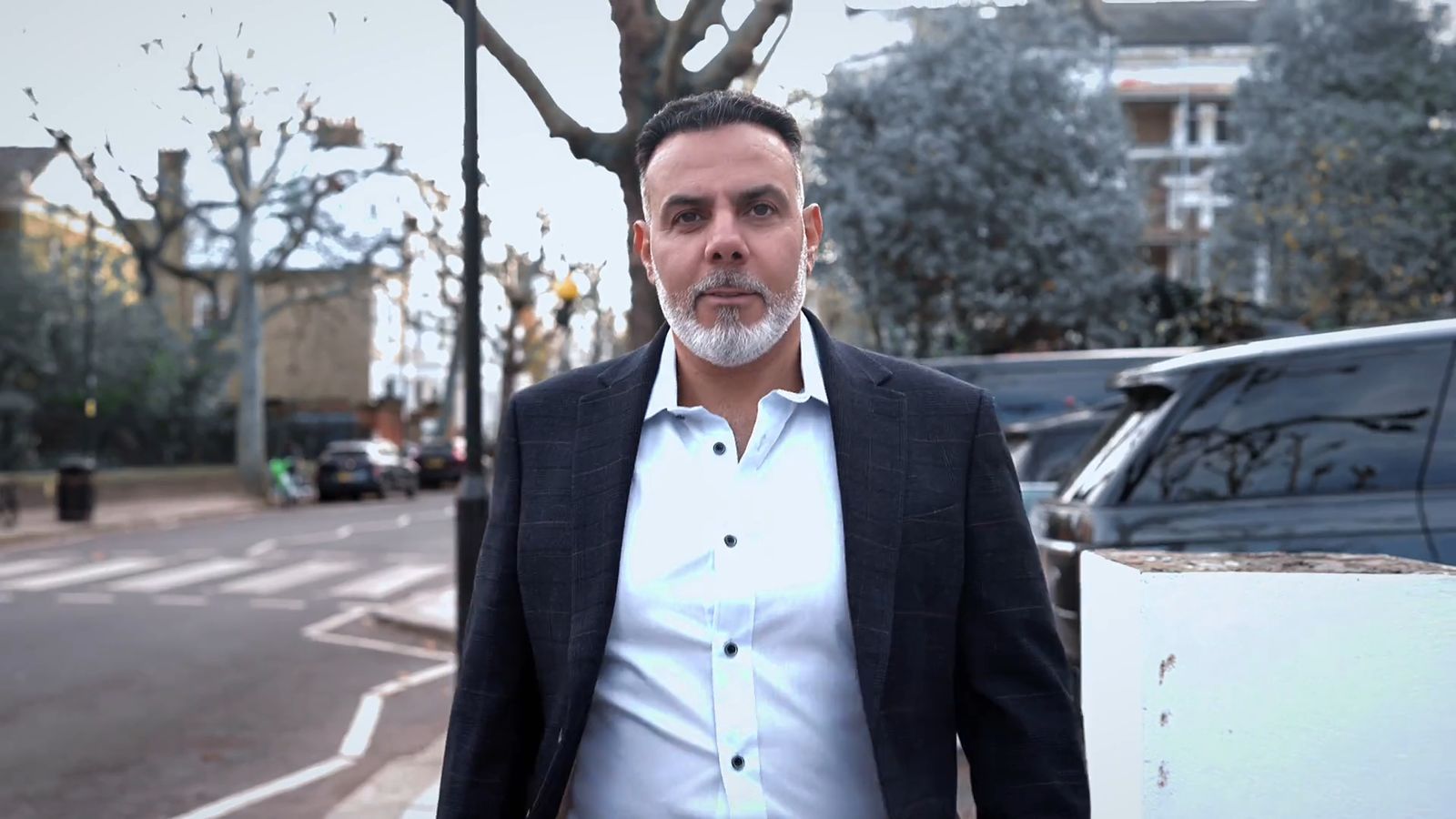
Everything starts with a consultation, which at our Kensington clinic is doctor-led. You may meet Dr Hassan Soueid, our Founder and Medical Director and a GMC-registered doctor, or one of our qualified surgeons. You can read more about Dr Hassan and his approach before you come in.
Expect a thorough conversation as well as an examination. We will ask about your general health, any eye problems, previous eye or facial surgery, contact lens use, medicines, supplements and allergies. We will look at:
- the position of your brows
- the amount and quality of excess skin
- the shape of your eyelid crease
- any difference between the two sides
- any signs of ptosis or dry eye
If something suggests your concern would be better addressed another way, we will tell you. Sometimes that means a non-surgical option. Sometimes it means no treatment at all.
We will also talk specifically about the anaesthetic. That includes how the injections are given, what you will be aware of, roughly how long the operation is likely to take in your case, and what happens if you feel uncomfortable at any stage. Ask as many questions as you need. Being well informed is one of the most effective ways to make an awake procedure feel manageable.
You will be given written information and time to think before you decide. Consent is an ongoing process, not a single signature, and you are free to change your mind. We are introducing HonestFace, our own iPad app for digital consultation forms, consent signing and secure patient records. As it is rolled out, you may be asked to complete some of your paperwork that way.
In the days before surgery, you will typically be advised to:
- Pause medicines and supplements that increase bleeding, but only as agreed with us and, where relevant, your GP or prescribing doctor. Never stop prescribed medication on your own.
- Stop smoking and nicotine products for the period advised.
- Avoid alcohol for a day or two beforehand.
- Arrange for someone to take you home and, ideally, stay with you for the first night.
- Prepare at home with cold compresses or clean frozen peas in a bag, spare pillows to keep your head raised, and any prescribed eye lubricants or ointment.
On the day: arrival, marking and the numbing injections
Because there is no general anaesthetic, you can usually eat a light meal beforehand unless you are told otherwise. Wear comfortable clothes that button or zip at the front, so you do not need to pull anything over your head afterwards. Come without make-up, face creams or contact lenses.
When you arrive, the team will check your details, go through your medical history again, record your blood pressure and confirm your consent.
The surgeon will then mark your eyelids with a fine pen while you sit upright. This is an important step. The markings plan exactly how much skin will be removed and where the scar will lie. You will usually be asked to open and close your eyes during marking, so that gravity and your natural expressions are taken into account. You can ask questions about the plan at this stage.
Once you are lying comfortably on the operating couch, the skin around your eyes is cleaned with an antiseptic solution. A sterile drape is placed over your face, leaving the eye area exposed. You will still be able to breathe normally and talk to the team.
The local anaesthetic is then injected into the upper eyelid using a very fine needle. This is the part most patients notice.
- You can expect a sharp scratch, then a stinging or burning feeling as the fluid goes in. This typically fades quickly as the area goes numb.
- The anaesthetic often contains a medicine that narrows blood vessels to reduce bleeding. Some people notice a brief racing heartbeat or slight shakiness. This is a known effect and usually settles quickly, but tell the team if you notice it.
- Your lids may feel heavy, swollen or tight once the anaesthetic has been given.
Your surgeon will test that the area is numb before starting.

What you will and will not feel during the operation
Once the eyelids are numb, you should not feel sharp pain. What you will feel is harder to describe until you have experienced it, so we try to be honest about it.
- Touch and pressure. You are likely to be aware of touch, pressure and pulling. It is similar to dental work once the gum has been numbed: you know something is happening, but it should not hurt.
- Warmth or a smell. Some patients notice this if a cautery device is used to seal small blood vessels.
- Sounds. You may hear instruments, the team talking to each other, and occasional instructions to you.
- Light. Your eyes are protected throughout. The operating light can still feel bright, although the drape and protective measures help.
During the procedure you may be asked to open and close your eyes or look in a particular direction.
If at any point you feel pain or significant discomfort, say so, and more local anaesthetic can be given. If you feel anxious, tell the team. A short pause, a change of position, or simply someone talking you through what is happening can help a great deal. Many patients find the anticipation harder than the procedure itself. We would never promise that, because everyone's experience is different.
The length of the operation varies with what is being done, so we discuss it with you individually rather than quote a single figure. At the end, the incisions are closed with fine stitches. Depending on the technique, the area may be covered with small adhesive strips or simply treated with ointment.
Your procedure will be performed by Dr Hassan Soueid or one of our qualified surgeons. The person carrying out your surgery will be confirmed with you before the day. Afterwards there is a short period of observation, a check of your eyes and a review of your aftercare instructions. You will then usually be ready to go home with your companion.
Risks and downsides you should understand
Choosing local anaesthetic removes the risks associated with being put to sleep. It does not remove the risks of the surgery itself. Anyone considering upper blepharoplasty should understand these before going ahead.
Expected effects include bruising, swelling, tightness, watery or gritty eyes, and temporary blurred vision from ointment or swelling. You may also find it hard to close your eyes fully for a short time. These usually improve over the following days and weeks, though the timescale differs between individuals.
Less common but important risks include:
- Bleeding and haematoma. A collection of blood under the skin may need further treatment. Very rarely, bleeding behind the eye can threaten vision and needs urgent medical attention. This is why we give clear instructions about which symptoms to report immediately.
- Infection. This is uncommon around the eyelids, which have a good blood supply, but it is possible.
- Dry eye. This may be temporary or, less commonly, longer lasting. The risk is higher if you already have dry eye symptoms.
- Asymmetry. Faces are naturally asymmetrical. Some difference between the two sides can remain or become apparent during healing.
- Scarring. The scar is placed in the natural crease where possible, but all scars vary. Some may be thicker, redder or more visible than hoped, especially at the outer end.
- Difficulty closing the eyes. This can happen if too much skin is removed, which is one reason a conservative, carefully measured approach matters.
- Reactions to the local anaesthetic. These are rare but can include allergy or effects on the heart or nervous system. The team monitors you throughout.
- Dissatisfaction or the need for further surgery. No operation can promise a particular outcome, and occasionally a revision is needed.
It is also worth being realistic about what upper blepharoplasty can achieve. It addresses excess upper eyelid skin and, in some cases, fullness. It will not:
- lift a low brow
- treat crow's feet
- change dark circles
- improve lower eyelid bags
Fine lines and skin texture around the eyes are separate concerns. Where appropriate, they may be better suited to treatments such as CO2 laser resurfacing. Hollowing beneath the eyes is different again, and options such as dermal fillers may be discussed at consultation if they are suitable for you.
Getting home and the first 48 hours
The local anaesthetic usually wears off over the next few hours. After that, you can expect some aching, tightness and soreness. Most people find this manageable with simple pain relief as advised by the team. Follow the instructions you are given, and avoid medicines that increase bleeding unless we have told you otherwise.
You must not drive yourself home. Ointment and swelling may blur your vision, and you will need someone to accompany you. If you live outside London or have a long journey, think about whether travelling a distance on the day is wise. Some patients prefer to stay nearby for the first night so they are close to the clinic in Kensington for any check they may need.
For the first two days, the priorities are:
- Rest, with your head raised. Sleeping propped up on two or three pillows helps limit swelling.
- Gentle cold compresses, used as directed.
- Avoiding strain. Do not bend, lift, exercise or do anything that raises your blood pressure.
- Wound care. Keep the wounds clean and dry, and use any drops or ointment as prescribed.
Bruising and swelling often look worse on the second or third day before they begin to settle. Plan to stay at home and avoid important engagements during this time.
Contact the clinic urgently, or seek emergency care, if you notice any of the following:
- severe or increasing pain
- a sudden increase in swelling on one side
- a change in your vision
- being unable to open the eye
- bleeding that does not stop with gentle pressure
- signs of infection, such as spreading redness, heat or fever
These problems are uncommon, but they need prompt attention.
Recovery beyond the first couple of days is covered step by step in our upper blepharoplasty recovery timeline. That includes stitch removal, returning to work, exercise, make-up and contact lenses. Scars take months to mature, and it is normal for the appearance to keep changing during that period.
Booking your consultation
If you are considering upper eyelid surgery and wondering whether local anaesthetic would suit you, the best next step is an unhurried consultation. Consultations at Kensington Cosmetic Clinic are doctor-led and focused on clear, honest information. That includes the reasons surgery might not be right for you.
Our clinic is in Kensington, London, and is registered with the Care Quality Commission. During your visit we will:
- assess your eyelids and brows
- discuss your health and expectations
- explain the anaesthetic and the operation step by step
- talk through risks and recovery in detail
You will have time to reflect afterwards, and there is no pressure to book surgery on the day.
It helps to bring a list of your current medicines, details of any eye conditions or previous eye surgery, and the questions you would like answered. If you are anxious about being awake, tell us early so we can talk it through properly.
You can book your consultation online, and a member of our team will be in touch to arrange a convenient time.
Frequently asked
Questions we get asked
- Will I feel pain during upper blepharoplasty under local anaesthetic?
- Most people notice the numbing injections, which cause a sharp scratch and a stinging feeling that usually fades quickly. Once the eyelids are numb you should not feel sharp pain, although you will usually feel pressure, touch and movement. If you feel discomfort at any point, tell the team and more anaesthetic can be given.
- What if I do not think I can cope with being awake?
- Tell us at your consultation. Being awake is not right for everyone, for example if you have significant anxiety, claustrophobia or difficulty lying flat. We will discuss your concerns honestly. That may mean exploring other options, or deciding together that surgery is not the right choice for you at this time.
- Is local anaesthetic safer than general anaesthetic for eyelid surgery?
- Local anaesthetic avoids the specific risks of being put to sleep, which is one reason it is commonly used for upper blepharoplasty. It does not reduce the risks of the surgery itself, such as bleeding, infection, dry eye, asymmetry and scarring. Reactions to local anaesthetic are rare but possible, and you are monitored throughout.
- Can I go home the same day, and can I drive?
- Most patients go home the same day after a short period of observation and an eye check. You must not drive yourself, because ointment and swelling can blur your vision. Please arrange for someone to collect you and, ideally, stay with you for the first night.
- Who performs the surgery at the clinic?
- Upper blepharoplasty is performed by Dr Hassan Soueid, our Founder and Medical Director and a GMC-registered doctor, or by one of our qualified surgeons. Consultations are doctor-led, and the person carrying out your procedure will be confirmed with you before the day.